Key facts
- Typhoon Bavi made landfall in China's Zhejiang province with sustained winds of 144 km/h.
- Over 1.7 million people were evacuated in China.
- The storm caused at least 17 deaths in the Philippines due to intensified monsoon rains.
- Taiwan reported 113 injuries and evacuated over 14,000 people.
- Japan's southern islands experienced high surf and strong winds, leading to flight cancellations.
- China issued a red alert for storms and allocated 40 million yuan for disaster relief.
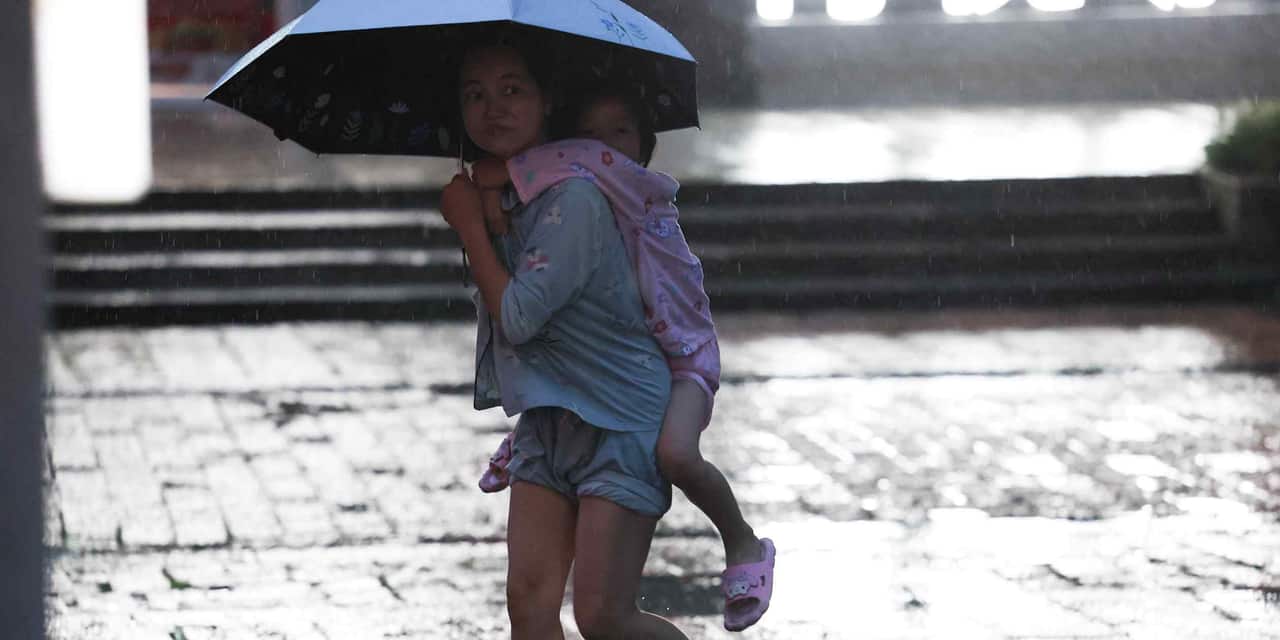
Typhoon Bavi made landfall in China's eastern Zhejiang province late Saturday night, bringing strong winds and heavy rain. The storm, the second to hit China in just over a week, prompted extensive evacuations and alerts across the region.
Authorities in Zhejiang province evacuated over 1.7 million people, while Shanghai relocated approximately 34,000 residents from high-risk areas. The province of Fujian also relocated over 3,700 people and placed more than 17,000 rescuers on alert. The China Meteorological Administration issued a red alert for storms, the highest on its four-tier scale, and suspended many school and ferry services. Hundreds of flights were canceled, and some high-speed rail services were suspended.
Bavi had previously impacted Japan's southern islands and Taiwan. In Taiwan, authorities registered at least 113 injuries and evacuated over 14,200 people. In Japan's Okinawa prefecture, warnings were issued for high surf, strong winds, and storm surges, leading to the cancellation of over 200 flights.
Before reaching China, the typhoon intensified seasonal monsoon rains in the Philippines, causing landslides that resulted in at least 17 deaths and several missing persons. Two other deaths were reported due to flooding.
China has allocated 40 million yuan (approximately $5.9 million) in central disaster relief funds to support prevention, rescue, and emergency aid efforts in Zhejiang and Fujian provinces.