Key facts
- Burkina Faso, Mali, and Niger have initiated a one-year process to withdraw from the International Criminal Court.
- The three West African nations announced their intention to leave the ICC in September.
- They cited the ICC as a tool of neocolonial repression.
- The ICC confirmed the submission of withdrawal letters.
- The court warned the decision could weaken global efforts to end impunity and pursue justice.
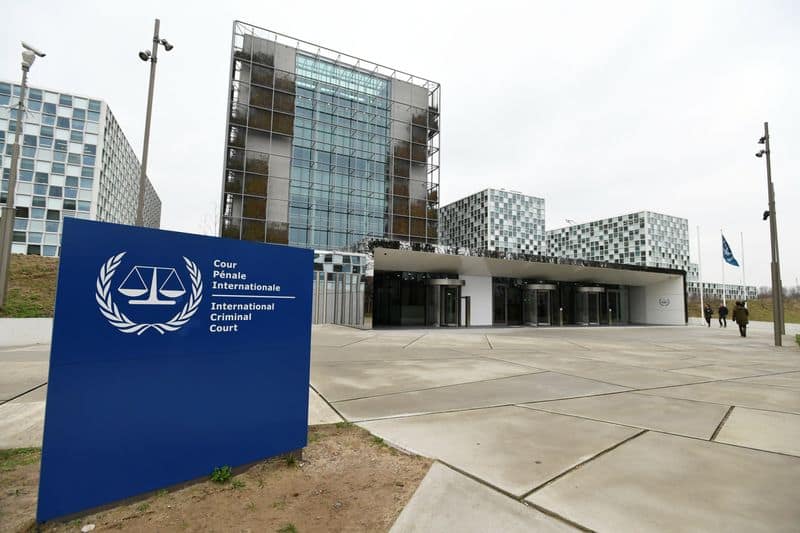
Burkina Faso, Mali, and Niger have officially begun the process of withdrawing from the International Criminal Court (ICC), the court announced. This move, initiated by military-led governments in these West African nations, will take one year to complete.
The three countries had previously declared their intention to leave the ICC in September, denouncing the court as a "tool of neocolonial repression." All three nations are currently grappling with significant Islamist insurgencies, which have led to widespread territorial seizures and increased attacks on military targets this year. Rights groups have raised concerns about potential atrocities committed by both militants and the armed forces in Burkina Faso and Mali.
The ICC serves as the global permanent war crimes tribunal, responsible for prosecuting individuals accused of genocide, crimes against humanity, war crimes, and the crime of aggression when national courts are unable or unwilling to do so.
The ICC's governing body confirmed the submission of withdrawal letters and the commencement of the one-year process under the Rome Statute, the treaty establishing the court. The court expressed concern that this decision could undermine global efforts to combat impunity and pursue justice, urging the countries to reconsider their commitment to the statute. The ICC also noted that a state's withdrawal does not absolve it of obligations incurred while it was a party to the treaty.