Key facts
- The wreckage of a Boeing 737 freighter that crashed into the Arabian Sea off Pakistan's coast has been found.
- The aircraft experienced erratic altitude changes for approximately three minutes before disappearing from radar.
- The crew had reported a navigation system issue.
- Possible causes being investigated include flight-control faults, cargo misloads, engine malfunctions, human error, or sabotage.
- The plane was not a 737 Max variant.
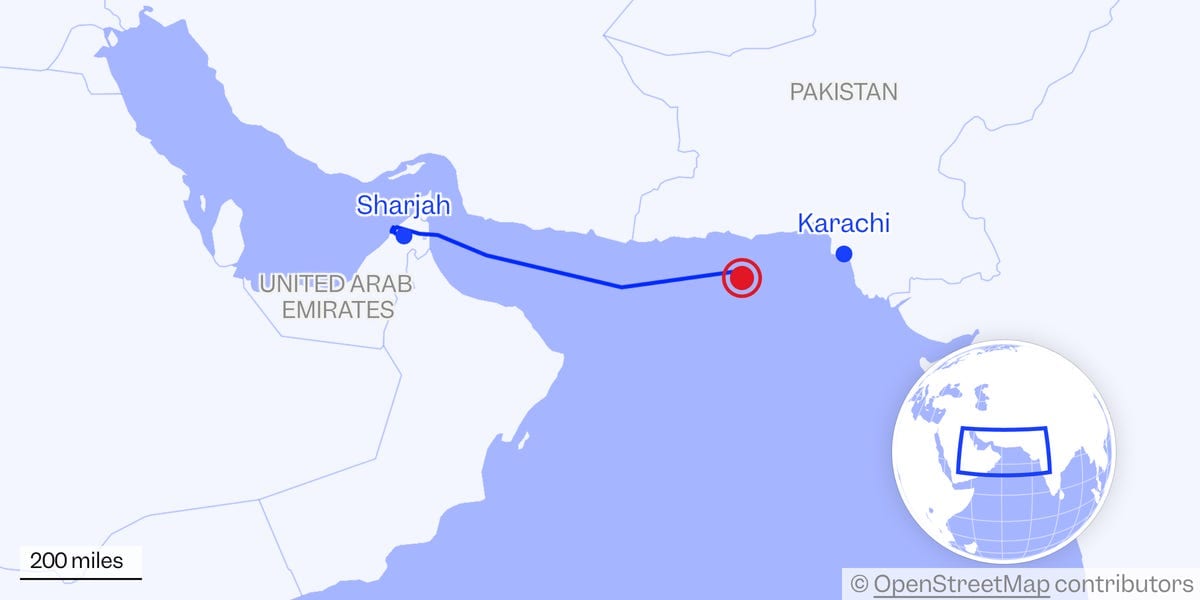
The wreckage of a Boeing 737 freighter that crashed into the Arabian Sea off the coast of Pakistan has been located after a 12-hour search. The aircraft, operated by K2 Airways and registered AP-BOI, was en route from the UAE to Karachi when it began experiencing erratic altitude changes approximately halfway through its flight. The Pakistan Airports Authority reported that the crew had indicated a navigation system issue. Flight-tracking data showed the plane descending rapidly, far beyond normal rates.
Aviation analysts are considering various potential causes for the crash. Mark Stephens, a retired Delta Air Lines pilot, suggested possibilities including flight-control faults, cargo misloads, engine malfunctions, or human error. Anthony Brickhouse, an aviation safety analyst, stated that "everything is on the table until evidence says otherwise," emphasizing the need for thorough investigation of the wreckage and black boxes.
Investigating crashes at sea presents significant challenges due to the difficulty of recovering critical components from the ocean floor. However, the search for this aircraft was aided by better tracking technology and a more confined search area compared to previous incidents like Air France Flight 447. The aircraft was a 1999-model Boeing 737, converted to a freighter in 2011, and was not a 737 Max variant, suggesting the crash is unlikely to be related to the issues that plagued the Max model. The accident may draw further scrutiny to Pakistan's aviation safety record, which has seen several fatal crashes in recent decades.