Key facts
- Child malnutrition, particularly wasting, has reached critical levels in Afghanistan.
- Aid shortages are forcing health workers to turn away millions of children and mothers in need.
- The crisis is exacerbated by conflict-related trade disruptions and mass returns of Afghans from neighboring countries.
- Staple food prices have increased by 20% to 30%, contributing to acute hunger for nearly 14 million Afghans.
- The UN World Food Programme requires $500 million over the next six months to prevent further escalation.
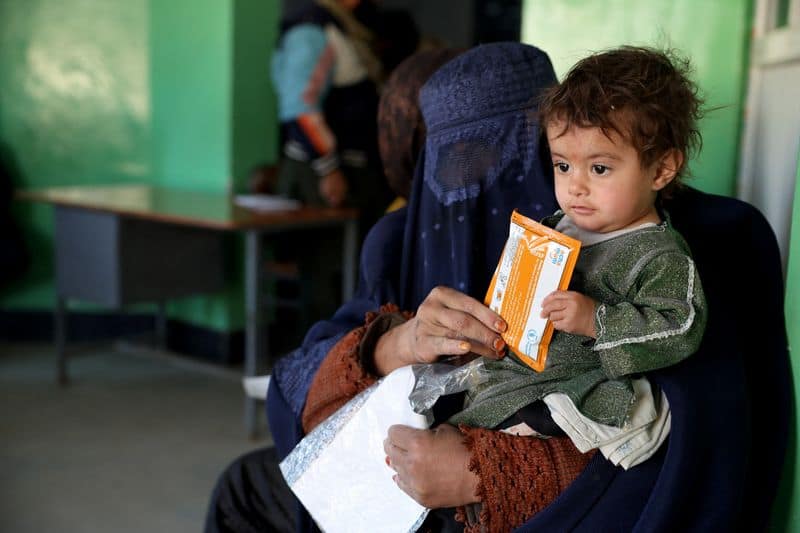
Child malnutrition in Afghanistan has reached critical levels, with aid shortages forcing health workers to turn away millions of children and mothers, the UN World Food Programme (WFP) reported. Child wasting, the deadliest form of malnutrition, is severe in a third of the country's provinces, and admissions to health centers are rising sharply.
John Aylieff, WFP's country director in Afghanistan, stated that the crisis is worsening daily and is currently uncontainable. Approximately 80% of the most severe cases involve children under two years old, many of whom arrive too late to be saved. The surge in malnutrition is occurring amidst conflict-related trade disruptions, mass returns of Afghans from neighboring countries, and significant cuts in international aid.
Nearly 6 million Afghans have been forcibly returned from neighboring countries in the past three years, increasing pressure on jobs and public services. Simultaneously, staple food prices have risen by 20% to 30%, contributing to acute hunger for nearly 14 million Afghans. While a better harvest this year offered some relief, its benefits are being offset by economic pressures, mass returns, and aid cuts.
WFP has experienced sharp reductions in its operations due to funding shortfalls, with traditional major donors like the U.S. and European countries cutting funding since January 2025. The agency can now reach only one in seven acutely malnourished women and children, down from one in four in March. WFP has also halted food distributions aimed at preventing famine in the worst-hit areas. The agency is seeking $500 million over the next six months to prevent the crisis from escalating further.