41 nations urge advance notice for ICBM, SLBM launches
1 source↑ Market-relevant
IN SHORT
South Korea, the U.S., Japan, and 38 other countries have issued a joint statement calling for at least 24 hours' advance notification of intercontinental ballistic missile (ICBM), submarine-launched ballistic missile (SLBM), and space launch vehicle (SLV) launches. The statement aims to reduce the risk of miscalculation and enhance security.
✉Newsletter
PiQ Daily
Pick your topics. Get only what matters, on your cadence.
Key Numbers
41countries calling for advance notice
24 hoursminimum advance notification period
145countries participating in Hague Code of Conduct
Who's Involved
South Korea
co-signer of joint statement on missile launch notifications
United States
co-signer of joint statement on missile launch notifications
Japan
co-signer of joint statement on missile launch notifications
Hague Code of Conduct Against Ballistic Missile Proliferation
mechanism for advance notification of missile launches
↳ Why This Matters
This coordinated international call for advance notice on ballistic missile and space launch vehicle tests aims to enhance global security by reducing the risk of accidental escalation and miscalculation, particularly in regions with heightened geopolitical tensions.
Key facts
South Korea, the U.S., Japan, and 38 other nations issued a joint statement.
The statement urges countries to provide at least 24 hours' advance notice for ICBM, SLBM, and SLV launches.
Notifications should include missile class, launch window, area, and direction.
Clear notices for airmen and mariners are also requested to mitigate risks.
The initiative aims to reduce miscalculation and build confidence in security.
A joint statement issued by South Korea, the United States, Japan, and 38 other countries has called for nations to provide sufficient advance notification of intercontinental ballistic missile (ICBM), submarine-launched ballistic missile (SLBM), and space launch vehicle (SLV) launches. The statement, released Tuesday, urges countries to give no less than 24 hours' notice for such launches, particularly from nuclear-weapon states.
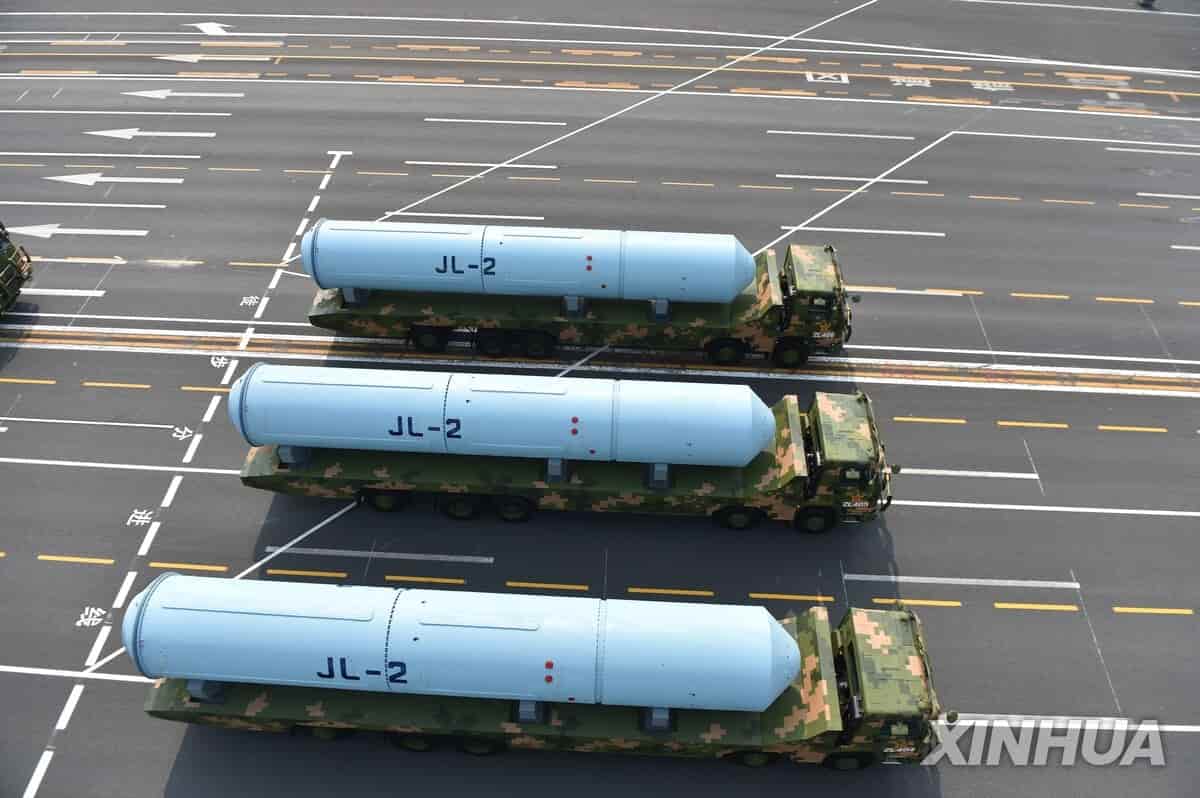
The initiative comes in the wake of a surprise SLBM launch by China into the Pacific on July 6, which drew criticism from the U.S. and other nations, though China was not explicitly named in the joint statement. The participating countries emphasized that advance notifications should include details such as the generic class of the missile or SLV, the planned launch notification window, the launch area, and the planned direction.
Furthermore, the statement called for clear notices for airmen and mariners consistent with international standards to reduce risks, including expected impact and landing areas. The signatories stated that regularized, transparent notification arrangements do not constrain any nation's military development or operational needs but instead reduce the risk of miscalculation, build confidence, and reflect a shared commitment to security.
The countries also urged all relevant nations to participate in arrangements for providing advance notification of ICBM, SLBM, and SLV launches to affected countries, noting that 145 countries currently participate in the Hague Code of Conduct Against Ballistic Missile Proliferation.
Frequently asked questions
South Korea, the United States, Japan, and 38 other countries issued the joint statement.
The statement calls for at least 24 hours' advance notification of ICBM, SLBM, and SLV launches.
Notifications should include the generic class of the missile or SLV, the planned launch notification window, the launch area, and the planned direction.
The purpose is to reduce the risk of miscalculation, build confidence, and reflect a shared commitment to security.
What Happens Next
01Nations are expected to consider adopting the proposed advance notification procedures.
02Further participation in the Hague Code of Conduct may be encouraged.
Get the newsletter.
Pick the topics you actually care about. We'll email when there's news worth your time, on the cadence you choose. Cancel any time from your account.
Cadence
How It Developed
countries, including South Korea and the U.S., issued a joint statement.
The statement calls for at least 24 hours' advance notification of ICBM, SLBM, and SLV launches.
The countries emphasized the need for information on missile class, launch window, area, and direction.
Clear notices for airmen and mariners were also requested to reduce risk.
The statement noted that regularized, transparent notification arrangements reduce miscalculation and build confidence.
countries participate in the Hague Code of Conduct Against Ballistic Missile Proliferation.