Key facts
- The UK government is considering reforms to non-compete clauses.
- The proposed reforms aim to limit non-compete clauses to three months.
- Hedge funds often use non-compete clauses longer than three months.
- Hedge funds use these clauses to protect intellectual property.
- Hedge funds are exploring alternative strategies.
- Concerns exist about the impact on innovation.
- Concerns exist about the impact on the broader economy.
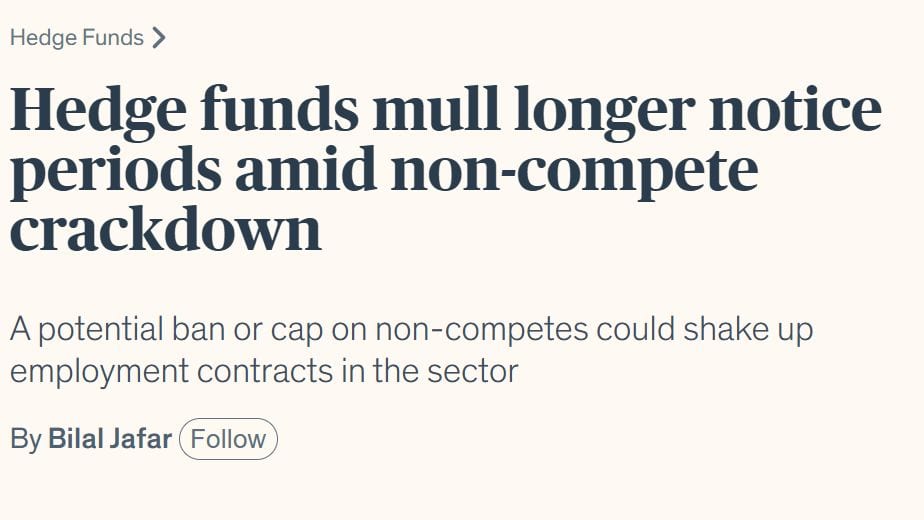
The United Kingdom government is contemplating significant reforms to non-compete clauses within employment contracts. The proposed changes could cap the duration of these clauses at a maximum of three months. This development is of particular concern to the hedge fund industry, which commonly employs non-compete agreements that extend beyond this proposed limit. These longer clauses are typically used to protect sensitive intellectual property and proprietary trading strategies.
Hedge funds are reportedly exploring alternative strategies to safeguard their confidential information and trade secrets in light of these potential reforms. Industry representatives have expressed apprehension regarding the possible consequences of shorter non-compete periods. Concerns have been raised about the potential negative impact on innovation within the financial sector and the broader implications for the UK's economic competitiveness.
The proposed reforms signal a shift in the UK's approach to employment law, aiming to enhance worker mobility and reduce restrictive employment practices. While the exact timeline for these reforms remains unclear, the government's consideration of such measures indicates a move towards aligning with international trends that favor shorter non-compete periods.