Key facts
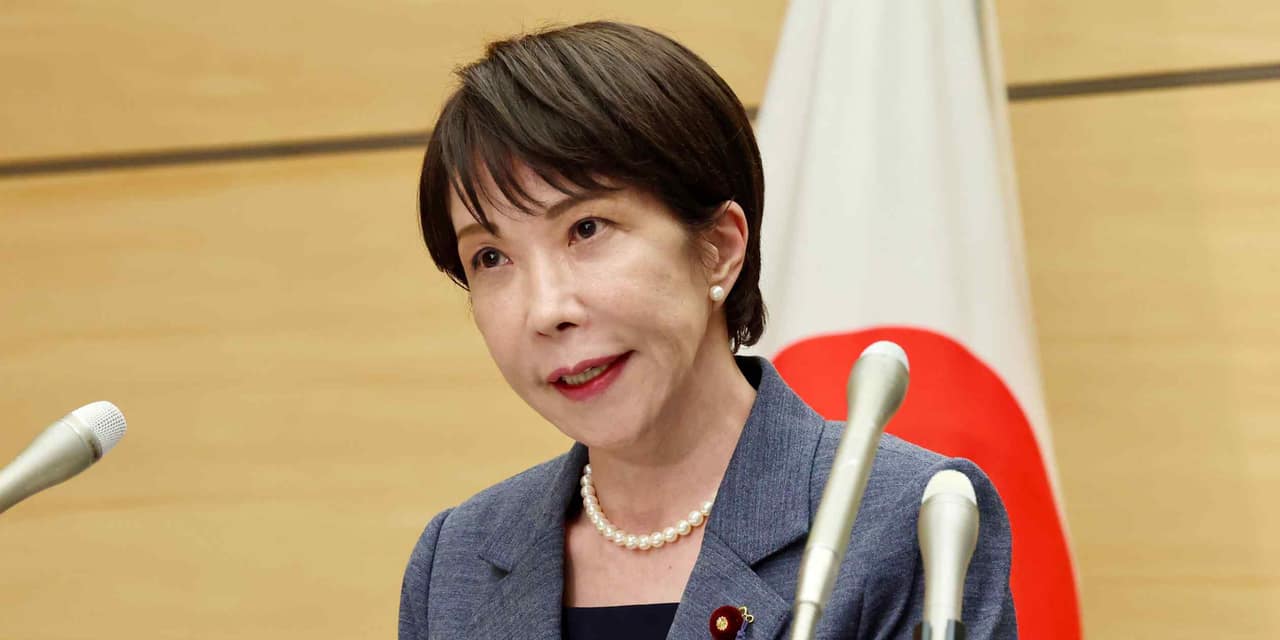
- Japanese Prime Minister Sanae Takaichi pledged to reduce the consumption tax on food.
- The tax cut is intended to be implemented without issuing deficit-covering bonds.
- Questions exist about how to fund the tax cut alongside other spending.
- Growth investments and increased defense spending are identified as other priorities.
- Japan's public finances are described as strained.
Japanese Prime Minister Sanae Takaichi has pledged to reduce the consumption tax applied to food items. This initiative is part of her economic strategy, aiming to alleviate financial burdens on consumers. A key aspect of Takaichi's proposal is the commitment to implement this tax cut without resorting to the issuance of deficit-covering bonds. This approach seeks to avoid increasing the national debt through new borrowing for this specific measure.
However, the announcement has been met with scrutiny regarding the fiscal implications. Analysts and observers are questioning the feasibility of funding this tax reduction while simultaneously pursuing other significant government expenditures. These include investments aimed at stimulating economic growth and a notable increase in defense spending, which is a growing priority for Japan. The nation's public finances are already considered strained, making the addition of new spending or tax cuts a complex balancing act.
The challenge lies in identifying sustainable revenue streams or reallocating existing budgets to accommodate the food tax cut. Without deficit bonds, the government must find alternative funding mechanisms. This could involve identifying efficiencies in other areas of spending, increasing other forms of revenue, or accepting a slower pace of investment in other sectors. The success of Takaichi's pledge will likely depend on the government's ability to present a credible and balanced fiscal plan that addresses these competing demands.