Key facts
- Hungary's ruling Tisza party proposed a presidential election.
- The proposed election date is August 11.
- The election will be held in parliament.
- Prime Minister Peter Magyar is leading the initiative.
- The plan aims to dismantle former premier Viktor Orban's power structures.
- Tisza party has achieved recent electoral successes.
- The move is part of Magyar's strategy to consolidate influence.
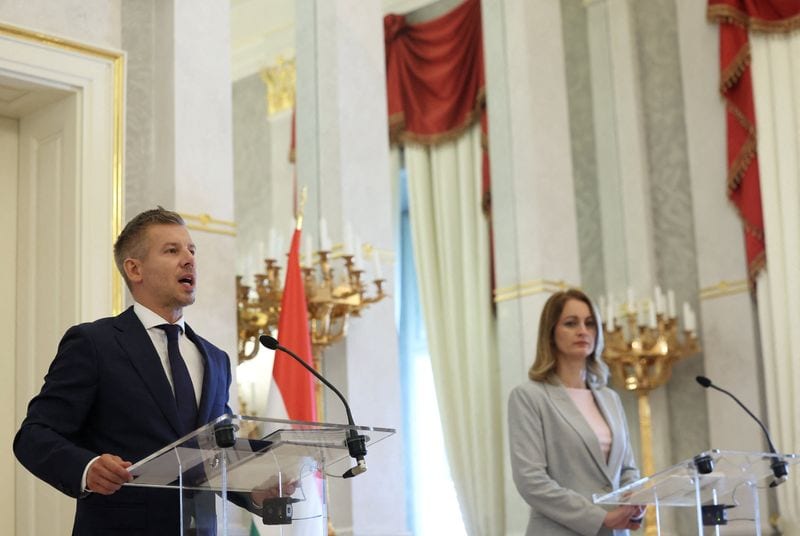
Hungary's ruling Tisza party has put forth a proposal to hold a presidential election on August 11. This date has been suggested for the parliamentary election of a new head of state. The proposal is a key component of Prime Minister Peter Magyar's ambitious plan to dismantle the established power structures of former premier Viktor Orban. Magyar's party, Tisza, has recently achieved electoral successes, and this move signifies a strategic effort to consolidate his political influence and reshape the country's leadership.
The proposed election date of August 11 is intended to accelerate the transition of power and solidify the Tisza party's control. By electing a new president, Magyar aims to place a figurehead aligned with his vision for Hungary, thereby weakening the remnants of Orban's influence. This action follows a period of significant political maneuvering by Magyar, who has emerged as a prominent figure challenging the long-standing political order.
This development is crucial in the context of Hungary's political landscape, which has been dominated by Viktor Orban for an extended period. Peter Magyar's rise and the Tisza party's electoral performance suggest a potential realignment of political forces. The proposed presidential election is a concrete step in this ongoing process of political transformation.