Key facts
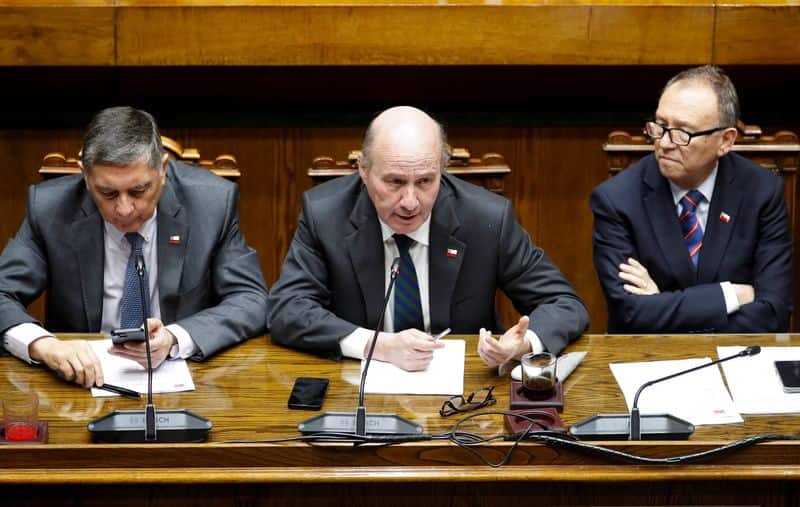
- Chile's Congress approved President Jose Antonio Kast's economic and tax reform package.
- The reform package aims to boost growth with corporate tax cuts and investment incentives.
- Chile's Senate passed the bill by a 26-23 margin.
- Chile's reform package faces potential vetoes and constitutional reviews.
- Japan's ruling Liberal Democratic Party approved a food tax cut plan.
- The plan reduces the consumption tax on food from 8% to 1%.
- The tax cut in Japan is planned for two years.
- The Japanese tax cut is set to begin in April 2027.
- The Japanese tax cut aims to ease living costs.
- The Japanese tax cut is expected to create a significant revenue shortfall.
Chile's Congress has given its approval to President Jose Antonio Kast's comprehensive economic and tax reform package. The legislation is designed to foster economic growth through measures such as reduced corporate taxes and incentives for investment. The Senate narrowly passed the bill with a vote of 26 in favor and 23 against. However, the path to implementation is not entirely clear, as the package faces potential presidential vetoes and constitutional reviews, which could lead to delays.
In a separate development, Japan's ruling Liberal Democratic Party (LDP) has endorsed a proposal put forth by Sanae Takaichi to reduce the consumption tax specifically on food items. The plan aims to lower the tax rate from the current 8% down to 1% for a period of two years, with an intended start date of April 2027. This initiative is intended to help ease the burden of living costs for citizens. Despite the potential benefits for consumers, the LDP acknowledges that this tax cut is expected to result in a substantial shortfall in government revenue.