Key facts
- Judges in Genoa are expected to deliver a verdict in the trial over the 2018 Morandi bridge collapse.
- The collapse killed 43 people and prompted investigations into infrastructure maintenance.
- Fifty-seven defendants, including former executives of Autostrade per l'Italia and Atlantia, are on trial.
- Prosecutors allege delayed maintenance and ignored warnings, while defense argues a design flaw.
- Autostrade and its maintenance subsidiary Spea settled financially and exited criminal proceedings.
- The current CEO of Autostrade issued an apology to the victims' families.
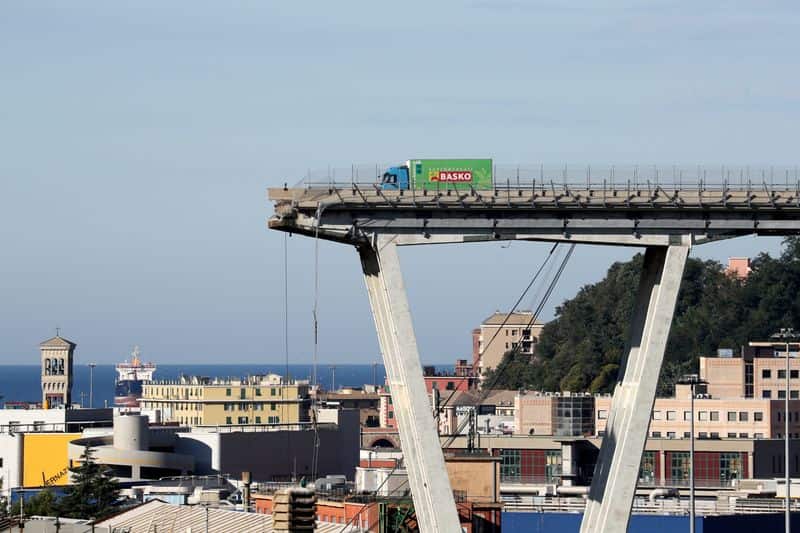
Judges in Genoa are expected to deliver a verdict on Thursday in the trial concerning the 2018 collapse of the Morandi bridge, which killed 43 people. The case has become a symbol of the pursuit of accountability for the disaster and the lengthy Italian justice system.
The collapse occurred during a storm, prompting years of investigation into the management and maintenance of Italy's aging infrastructure. Prosecutors allege that maintenance was repeatedly delayed and warning signs were ignored, while defense lawyers argue the cause was a design flaw in the specific cable that failed.
Fifty-seven defendants, including former Atlantia CEO Giovanni Castellucci, Autostrade managers, Spea engineers, and former transport ministry officials, have been on trial, all denying any wrongdoing. Some lesser charges, including document forgery, have already lapsed under Italy's statute of limitations.
Autostrade and its sister company Spea settled financially in 2022 and exited the criminal proceedings. The current head of Autostrade, Arrigo Giana, issued an open letter apologizing to the victims' families and the public for the suffering caused by the disaster, calling it a 'further, incomprehensible wound.'
The old viaduct's remains were demolished in 2019, and a new bridge, designed by architect Renzo Piano, opened in August 2020.