Key facts
- Resident doctors in England have accepted a government deal on pay and jobs.
- The acceptance ends three years of strike action.
- The deal includes a 3.5% pay rise this year, with backdated pay and further increases.
- An average 6.6% pay uplift is planned by April 2027.
- 4,500 additional specialty training places will be created over three years.
- Starting salaries for resident doctors will be over £40,000, rising to £76,500 for senior roles.
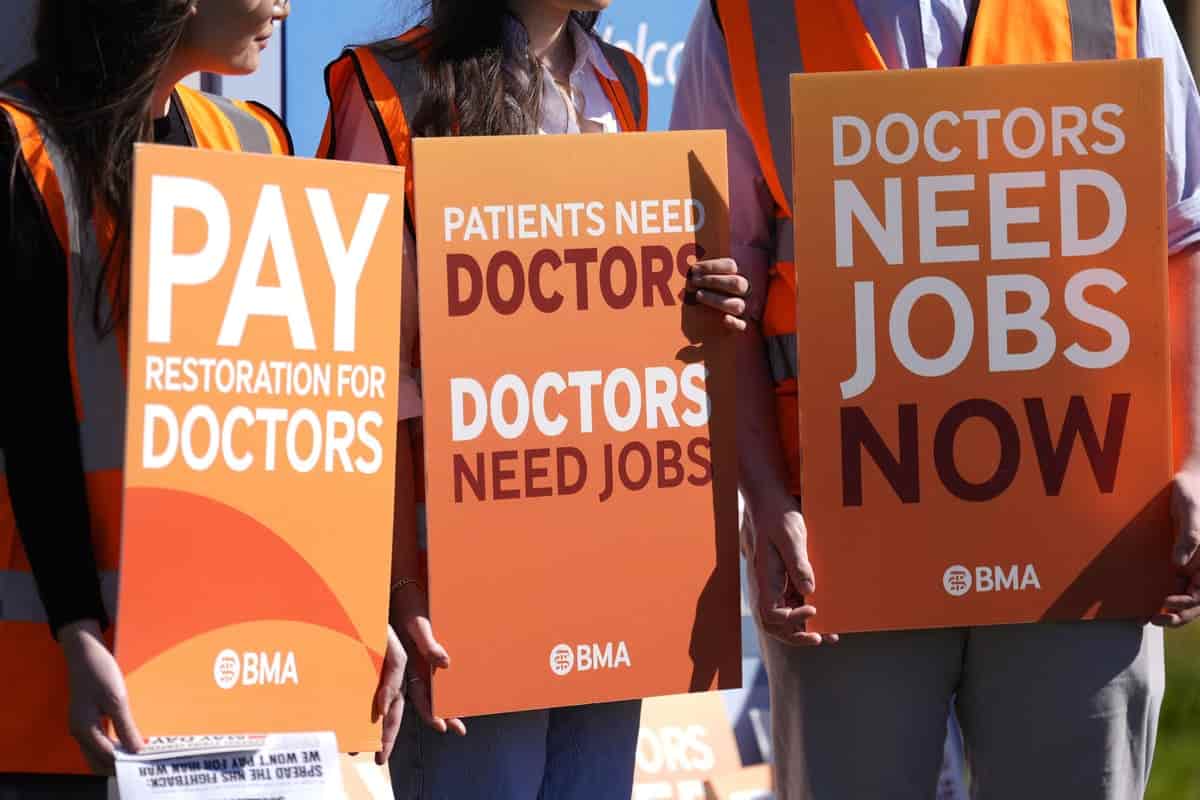
Resident doctors in England have voted to accept the government's offer on pay and jobs, bringing an end to three years of strike action. The deal, accepted by 53% of eligible British Medical Association members in a referendum with 57% turnout, includes a 3.5% pay rise this year, with backdated pay equivalent to an average increase of 4.9%. Further increases are planned, bringing the average rise to 6.6% by April 2027. Starting salaries will be just over £40,000, rising to £76,500 for senior resident doctors in basic pay. The agreement also promises 4,500 additional specialty training places over the next three years and will cover doctors' exam fees. Health and Social Care Secretary James Murray stated the resolution is positive for doctors, patients, and the NHS. BMA resident doctors committee chair Jack Fletcher noted that while the deal is a step towards pay restoration to 2008 levels, pay still lags by nearly a fifth. He emphasized that the strikes were unnecessary and that constructive negotiations could have achieved the outcome without industrial action. The strikes, which began in March 2023, had cost the NHS an estimated £1bn.