Key facts
- The UK government will invest £65 million into firms producing zero-emission vehicles.
- The funding aims to support the production of electric vehicles at a larger scale.
- The investment is part of the government's £4bn Drive35 programme.
- Recipients include a consortium led by Bentley and Nissan.
- The move occurs amidst industry backlash over the 2030 electric vehicle mandate.
- Reports suggest potential watering down of the 2030 target, though the government denies this.
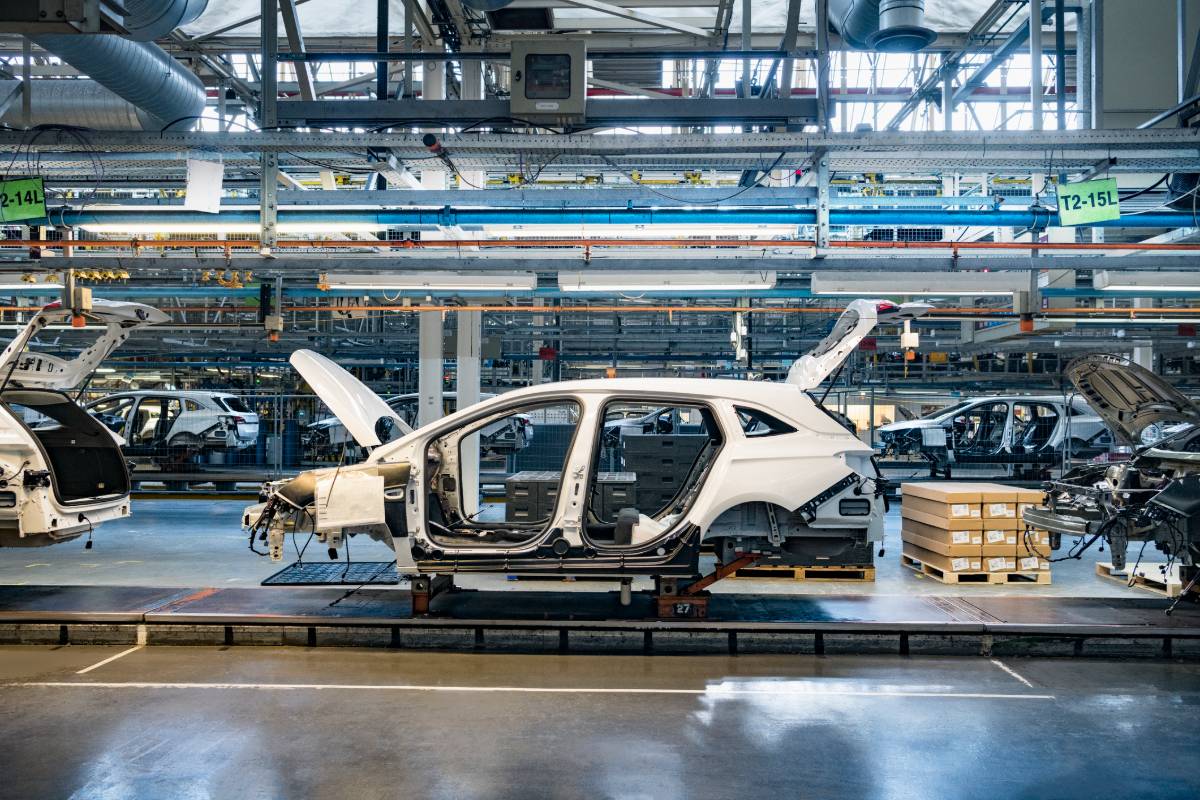
The UK government is injecting £65 million into firms producing zero-emission vehicles, a move intended to bolster the country's automotive manufacturing sector and support the transition to electric cars. This investment is part of the broader £4bn Drive35 programme, designed to accelerate electrification within the industry.
The funding package includes £50 million specifically allocated to car manufacturers and their research partners to enhance the large-scale production of electric vehicles. The Department for Business, Innovation, Science and Trade stated that this initiative is expected to safeguard approximately 1,800 jobs. The automotive industry is anticipated to match the government's financial commitment.
Industry minister Blair McDougall highlighted the historical significance of British automotive manufacturing, expressing a determination to maintain leadership in the next generation of vehicle design and production. He emphasized that the investment would secure skilled employment, reinforce industrial regions, and contribute to the reindustrialisation of Britain.
Among the beneficiaries are a consortium led by Bentley and Nissan, with Nissan's focus reportedly on self-driving car technology. This investment comes as the government aims to phase out the sale of new petrol and diesel cars by 2030, a policy designed to reduce emissions and combat climate change.
However, the government's push for the 2030 mandate has faced significant backlash. Recent reports indicated that ministers were considering a relaxation of this target to alleviate cost-of-living pressures. The Sunday Times reported that former prime minister Keir Starmer had overruled energy secretary Ed Miliband in June, showing a willingness to dilute the UK's electric vehicle sales targets due to industry and union pressure. Despite these reports, a government spokesperson reiterated the administration's commitment to the 2030 phase-out date.
Automotive industry leaders have voiced concerns that the mandate could lead to companies withdrawing from the UK, resulting in substantial job losses, irrespective of the investment in EV production. The British car industry is a significant economic contributor, generating £25 billion annually and directly employing 183,000 people.
The Conservative party has also been critical of the government's strategy. Conservative shadow business secretary Andrew Griffith described the 2030 ban as 'idiotic' and criticized the government's approach to the automotive sector as lacking decisive action. He argued that with UK car manufacturing at a 70-year low, the government's insistence on the combustion engine ban, while potentially forcing British manufacturers to subsidise Chinese EV competitors, is misguided. The Conservatives have previously labelled the 2050 net-zero target as 'impossible' and pledged to scrap the EV mandate if they return to power.