HomeEverything
Equities & FundsCrypto & Digital AssetsAI & TechnologyBusiness & CorporateUS Politics & PolicyGeopolitics & Global RiskMacro, Rates & FXCommodities & EnergyEuropean Politics & MarketsAsia-PacificReal Estate & Property
← All Stories

Southern EU nations push back on new Russia sanctions package

Created at 3 Jul · 4:35 PM1 source↑ Market-relevant
IN SHORT

Several Southern European countries, including Greece, Cyprus, and Malta, are pushing to soften proposed EU sanctions against Russia, particularly concerning oil price caps and Russian fish imports. Objections also target potential entry bans for Russian military personnel.

✉Newsletter

PiQ Daily

Pick your topics. Get only what matters, on your cadence.

Key Numbers

21stsanctions package
July 13EU foreign ministers meeting date
six-monthproposed oil price cap duration
three-monthpotential compromise oil price cap duration

Who's Involved

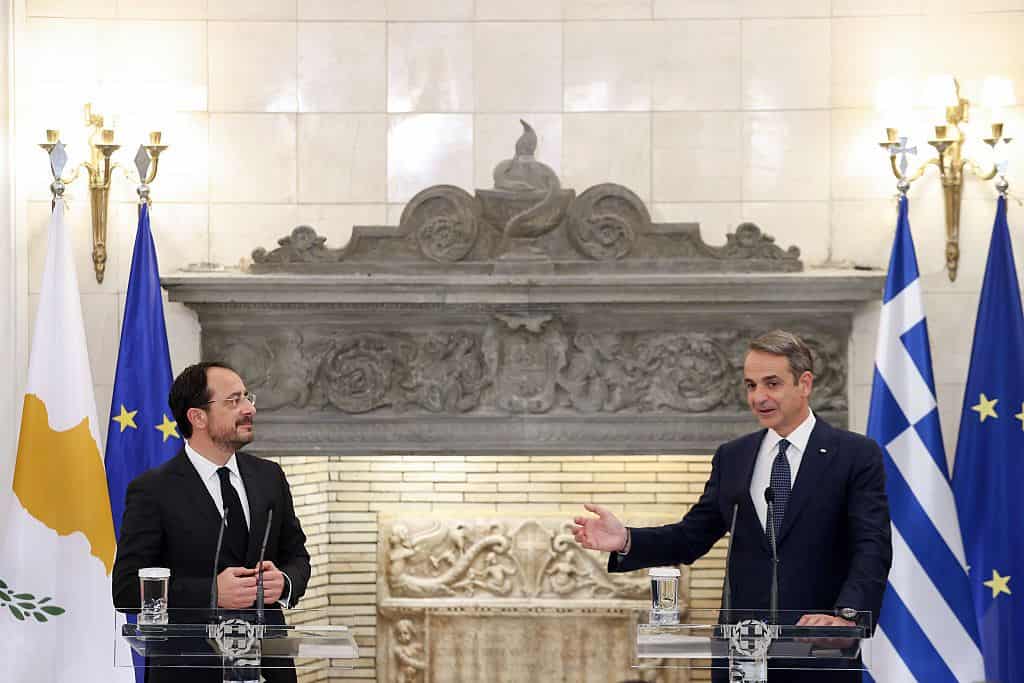
Kyriakos Mitsotakis
Greek Prime Minister
Nikos Christodoulides
Cypriot President
Ursula von der Leyen
European Commission President
Viktor Orban
Former Hungarian Prime Minister
Kaja Kallas
EU's top diplomat
Rumen Radev
Bulgaria's Prime Minister
Emmanuel Macron
French President
Giorgia Meloni
Italian Prime Minister
Southern EU nations push back on new Russia sanctions package

↳ Why This Matters

The internal disagreements within the EU over the latest sanctions package highlight the challenges of maintaining a united front against Russia and underscore the economic considerations that can influence foreign policy decisions among member states.

Key facts

  • Southern EU countries are objecting to key measures in the proposed 21st sanctions package against Russia.
  • Greece, Cyprus, and Malta are pushing to soften a proposed price cap on Russian oil.
  • Portugal is reportedly leading efforts to maintain Russian fish imports.
  • France, Italy, and Spain are opposing proposed entry bans for Russian military personnel.
  • The sanctions package was intended to include measures on cryptocurrency, fisheries, and entry bans.

The European Union's effort to pass its 21st sanctions package against Russia is facing significant pushback from several member states, primarily in Southern Europe. Originally intended to include measures targeting cryptocurrency, Russian fisheries, and entry bans for Russian military personnel, the proposal is being diluted due to objections from countries like Greece, Cyprus, and Malta, who are concerned about the economic impact on their shipping and processing industries.

Greece, supported by Cyprus and Malta, is particularly resistant to a proposed six-month price cap on Russian oil, fearing it could lead to ships reflagging to third countries and reduce income for their significant maritime sectors. Some diplomats suggest a compromise might involve a three-month price freeze, with a review in the autumn, especially as energy prices have been falling.

Further watering down is expected for measures aimed at reducing reliance on Russian fish, with Portugal reportedly leading the charge to maintain imports. Concerns over low profit margins for processed fish products like fish sticks are cited as a reason for this opposition. Additionally, Bulgaria's new Prime Minister has indicated he would block measures against Patriarch Kirill.

The proposal to ban current and former Russian combatants from entering the EU is also facing significant opposition, primarily from France, Italy, and Spain. These countries, which process a large number of Russian tourist visas, have raised legal and procedural concerns, including the practicalities of verifying who is a soldier and the costs associated with implementing such a ban. This opposition may lead to the measure being postponed or significantly weakened, leaving supportive EU countries to decide between a compromised deal or no deal at all.

Frequently asked questions

Southern EU countries fear that a significant difference between market prices and the cap could lead to ships reflagging to third countries, impacting their economies.

Greece, Cyprus, and Malta are pushing back on the oil price cap, while Portugal is reportedly advocating for continued Russian fish imports. France, Italy, and Spain are opposing entry bans for Russian military personnel.

The original proposal included measures targeting cryptocurrency, Russian fisheries, and entry bans for individuals who served in the Russian Armed Forces.

What Happens Next

01EU foreign ministers are scheduled to meet on July 13 to discuss the sanctions package.
02A compromise on the Russian oil price cap may be reached.
03The fate of measures targeting Russian fish imports and entry bans for Russian military personnel will be decided.

Get the newsletter.

Pick the topics you actually care about. We'll email when there's news worth your time, on the cadence you choose. Cancel any time from your account.

Cadence

How It Developed

The EU planned to pass its 21st sanctions package on July 13.
Original proposals included measures on cryptocurrency, Russian fisheries, and entry bans for Russian military personnel.
Greece, Cyprus, and Malta are seeking to soften a proposed six-month price cap on Russian oil.
Concerns were raised that a large difference between market prices and the cap could lead to ship reflagging.
A compromise might involve a three-month price freeze on oil.
Plans to reduce dependence on Russian fish are reportedly being removed or watered down.
Portugal is leading efforts to maintain Russian fish imports.
Bulgaria's Prime Minister stated he would block measures against Patriarch Kirill.

Sources

T1
Southern Europe lays siege to newest EU sanctions packageThe Kyiv Independent

Related Stories

Ryanair warns of EU border system causing passport queue chaos
3 Jul · 10:06 AM
EU to retaliate against China if trade deadline missed, von der Leyen warns
3 Jul · 2:40 PM
UK's bid to join EU trade pact blocked by Brussels
3 Jul · 2:15 PM
EU agrees to open new accession talks cluster with Ukraine and Moldova
3 Jul · 11:50 AM
EU court ruling could end Le Pen's presidential bid
3 Jul · 2:40 AM