Key facts
- South Korean delivery drivers have lost a legal battle for collective bargaining rights.
- The Supreme Court ruled that CJ Logistics is not required to negotiate with subcontracted drivers.
- This decision overturns previous appellate court rulings that had recognized some platform workers as employees.
- The Seoul High Court had previously found an employer-employee relationship for platform workers based on direction, supervision, and pay determination.
- The Rider Union, formed by food delivery workers, was granted legal status in Seoul in 2019, recognizing members as formal employees.
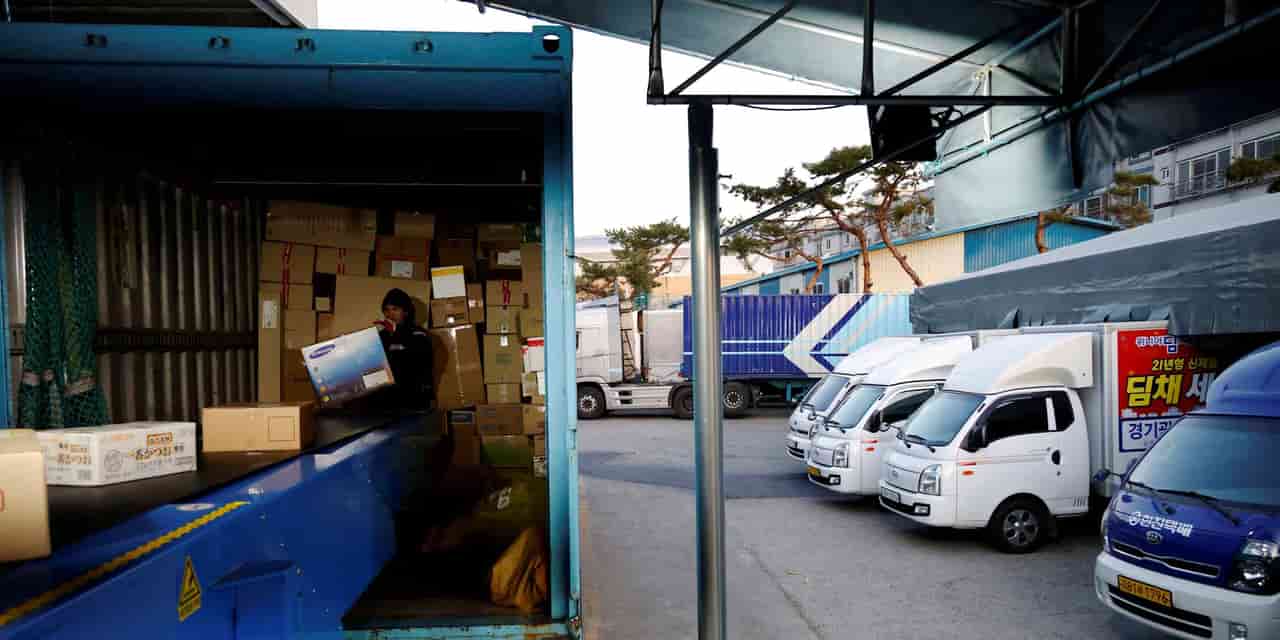
South Korean delivery drivers have lost a significant legal battle for collective bargaining rights, as the Supreme Court ruled that logistics giant CJ Logistics is not obligated to negotiate with drivers it does not directly employ. This decision marks a setback for workers who have been seeking employee status and associated protections.
Previously, an appellate court had recognized a delivery rider as an employee under the Labor Standards Act, finding an employer-employee relationship in terms of wages and duties. The Seoul High Court had determined that if a worker provided labor under the platform’s direction and supervision, they should be considered an employee. This ruling was based on the observation that platform delivery workers cannot secure orders independently and their pay is effectively determined by the company.
However, the Supreme Court's ruling appears to prioritize the contractual status of independent contractors. The broader context includes a 2019 decision where the Seoul Metropolitan Government granted legal status to the Rider Union, recognizing its members as formal employees of food delivery app providers. This earlier recognition highlighted an economic, systematic, and subordinate relationship between platforms and delivery workers, allowing the union to formally request labor negotiations. According to a 2024 government survey, Korea had 883,000 platform workers in 2023, with 485,000 in delivery and driving services. Legal recognition as an employee would entitle these workers to protections such as job security, paid leave, and severance pay.