Key facts
- Hungary opposes the European Commission's proposal to restrict entry for military-age Ukrainian men.
- Prime Minister Peter Magyar stated Hungary will continue to accept ethnic Hungarians fleeing Ukraine.
- The EU proposal aims to extend protections for Ukrainian refugees while barring draft-eligible men.
- The measure requires a qualified majority of EU member states to pass and would take effect in March 2027.
- Hungary has previously voiced its opposition at the European level, with several other countries also reportedly against the motion.
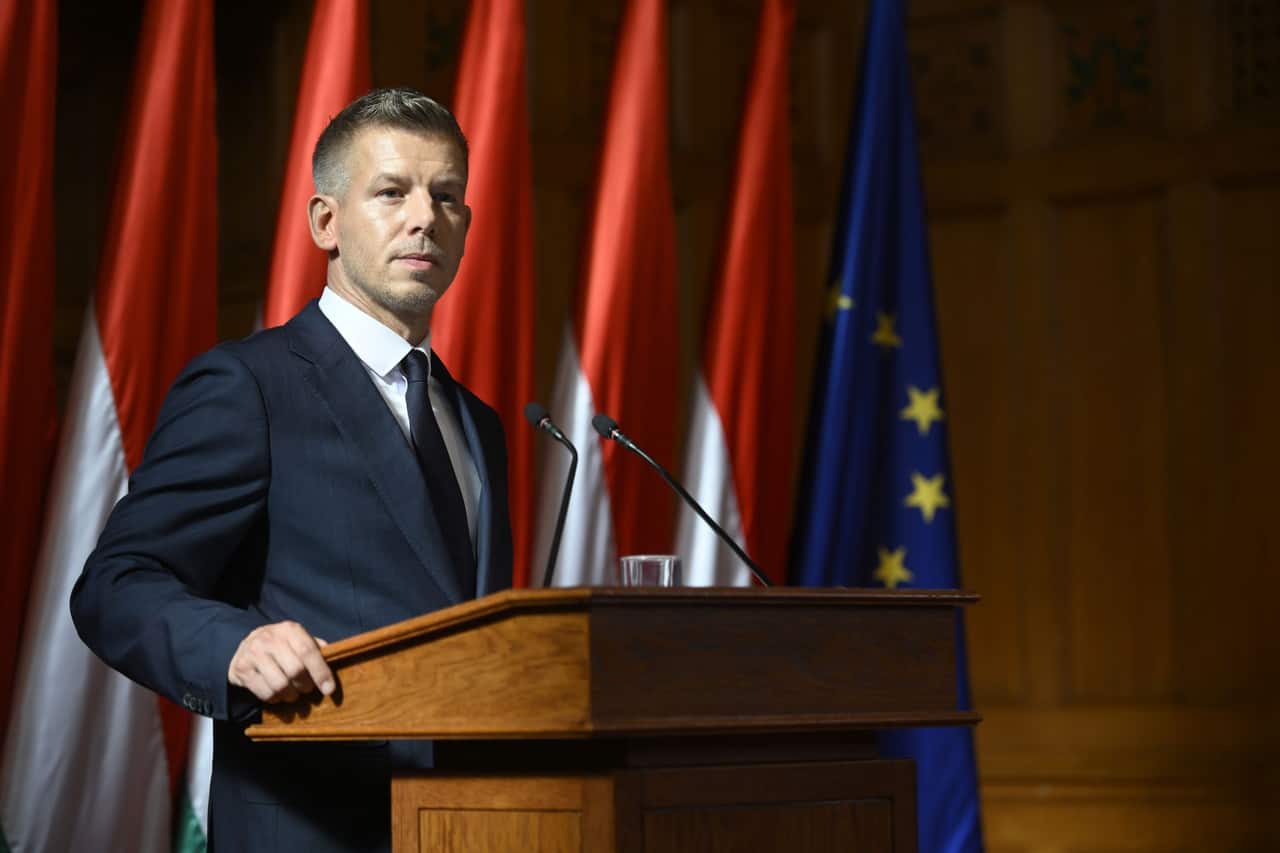
Hungary will not support the European Commission's proposed entry restrictions for military-age Ukrainian men, Prime Minister Peter Magyar announced on June 30. Magyar stated that even if the decision is adopted at the EU level, it will not prevent Budapest from accepting ethnic Hungarians fleeing Ukraine due to the ongoing war or mobilization efforts.
There are approximately 70,000 to 80,000 ethnic Hungarians residing in Ukraine's Zakarpattia Oblast, with hundreds currently serving in the Ukrainian Armed Forces. Budapest has already communicated its stance at the European level, and Magyar indicated that six or seven other countries also oppose the motion.
The European Commission put forward the proposal on June 26 to extend protections for the 4.4 million Ukrainians residing within the bloc, while simultaneously barring entry for men who are eligible for conscription. This proposal requires approval by a qualified majority of member states and, if passed, would come into effect in March 2027.
This development follows reports that several European countries are tightening eligibility rules for Ukrainian refugees. Ukrainian and EU officials have described these proposed changes as a move towards greater alignment between EU regulations and Ukraine's national legislation. Ukraine has imposed restrictions on travel abroad for male citizens eligible for conscription under martial law, which was declared following Russia's full-scale invasion in 2022.
Magyar, who secured victory over Hungary's former pro-Kremlin leader Viktor Orban in the April parliamentary elections, has consistently positioned himself as a defender of Hungarian ethnic communities abroad. Concurrently, he has pursued a more constructive dialogue with Kyiv, successfully negotiating an agreement on Hungarian minority rights in Ukraine and lifting a previous veto on Ukraine's EU accession.