Key facts
- A teacher in Stendal, Germany, is challenging a formal warning for discussing his political views with a student.
- The AfD, a far-right nationalist party, is using the incident to push for educational reforms.
- The AfD aims to ensure political neutrality in classrooms and implement a 'patriotic cultural policy'.
- Surveys indicate the AfD could secure approximately 40% of the vote in the upcoming Saxony-Anhalt regional election.
- The AfD's platform includes revising the curriculum to focus more on German history and removing social integration measures.
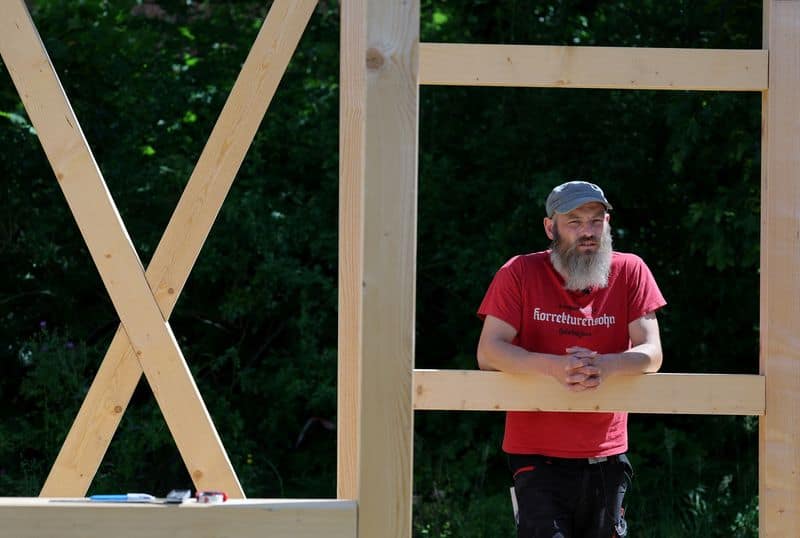
A dispute over a teacher's political expression in a classroom has become a focal point ahead of a regional election in Germany's Saxony-Anhalt state, where the far-right Alternative for Germany (AfD) party is a strong contender. Max Heckel, a woodwork teacher in Stendal, received a formal warning for discussing his political views with a student, an action he is challenging as unjustified.
Heckel explained he told a student he had not voted for the AfD, partly because the domestic security service classifies the party as extremist. Since then, he has faced online abuse, threats, and vandalism. He argues teachers have a responsibility to defend democratic foundations and that schools are under pressure not to allow criticism of the AfD, which polls suggest could win around 40% of the vote in the September election.
The AfD, which views Heckel as an example of a left-wing culture it wants to eliminate from schools, advocates for a complete overhaul of education. Ulrich Siegmund, the AfD's premier candidate for Saxony-Anhalt, stated the party would remove political influence to allow pupils to form their own views, dismissing the security service's classification of the AfD as politically motivated. The Saxony-Anhalt branch of the BfV, the national domestic security agency, still classifies the state party as extremist.
Education holds particular significance in Germany due to its post-World War II design to counter Nazi ideology, with schools historically teaching about wartime atrocities. The AfD believes the tradition of 'coming to terms with the past' has created a guilt complex and undermined national pride. Hans-Thomas Tillschneider, an architect of the AfD's cultural and education agenda in Saxony-Anhalt, outlined plans for a 'patriotic cultural policy' focusing on historical figures like Otto von Bismarck and scrapping social and psychological support measures.
Mainstream parties like the CDU have ruled out cooperating with the AfD, maintaining a 'firewall' policy. Critics argue the AfD's interpretation of neutrality would limit informed debate. Heckel maintains that upholding the constitution requires protecting the free and democratic basic order.