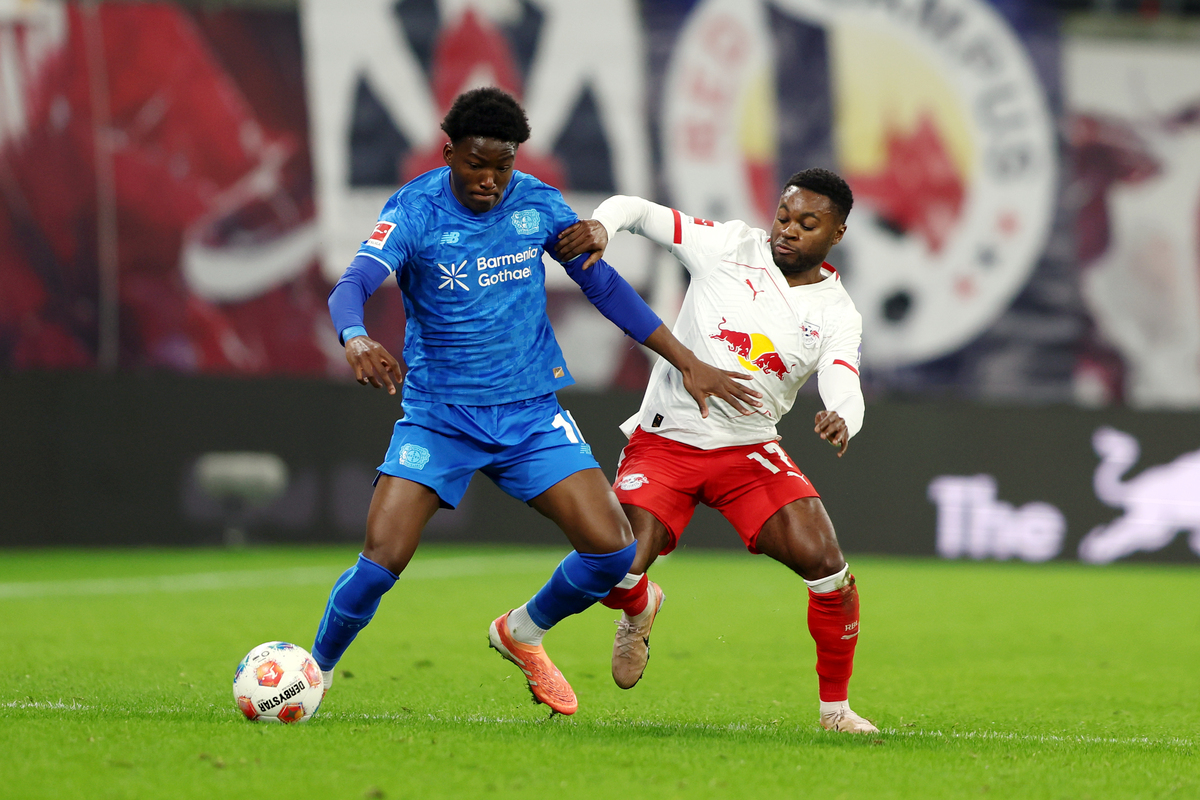
Key facts
- Bayer Leverkusen, RB Leipzig, and Wolfsburg face ownership changes due to a German Federal Cartel Office ruling.
- The ruling mandates compliance with Germany's 50+1 rule, requiring majority member control of football clubs.
- The German Federal Cartel Office endorsed the 50+1 rule but stressed its consistent application across all clubs.
- Leverkusen and Wolfsburg have historically operated under exceptions to the rule as 'works teams'.
- RB Leipzig has previously limited club membership to circumvent the 50+1 rule.
- The 50+1 rule has historically limited foreign investment in German football.
Bundesliga giants Bayer Leverkusen, RB Leipzig, and Wolfsburg are set for significant ownership changes following a ruling by Germany's Federal Cartel Office. The watchdog has confirmed the validity of the country's 50+1 rule, which mandates that football clubs must be majority controlled by their members, but insisted on its consistent application to all clubs.
Historically, Bayer Leverkusen and Wolfsburg have operated under exceptions to the 50+1 rule due to their origins as 'works teams' funded by Bayer AG and Volkswagen, respectively. RB Leipzig, owned by Red Bull, has previously navigated the rule by restricting club membership to a small group of individuals closely associated with the energy drink company. The German Federal Cartel Office's decision aims to ensure a level playing field, stating that the rule is justifiable as it upholds club identity and member participation, despite restricting economic competition.
The 50+1 rule has been a key factor in preventing large-scale foreign takeovers of German football clubs, a trend seen in other major European leagues.