Key facts
- Germany approved a nuclear venture involving Rosatom on July 22.
- French company Framatome will manufacture nuclear fuel rods using Russian technology.
- A Kyiv-based think tank, DiXi Group, is challenging the approval.
- Concerns include espionage, sabotage, and expanded Russian influence in Europe's nuclear sector.
- Security conditions have been imposed, including restrictions on Russian personnel access.
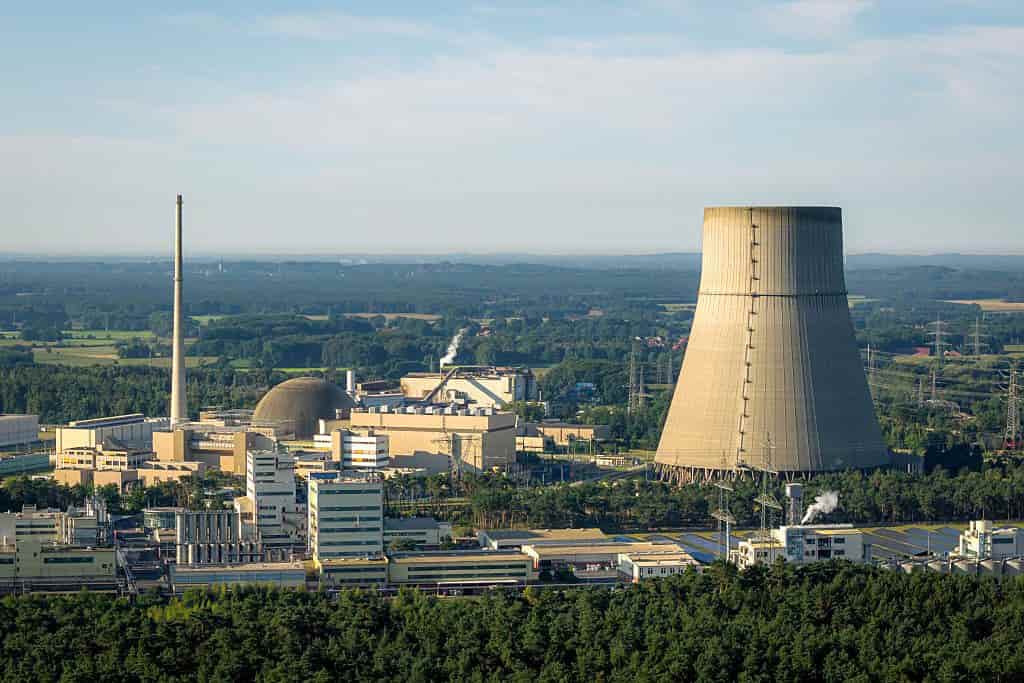
Germany's approval of a nuclear venture linked to Russia's state-owned Rosatom has drawn strong criticism and warnings of espionage risks and expanded Kremlin influence over Europe's strategic nuclear sector. The venture, approved on July 22, will see French company Framatome manufacture nuclear fuel rods and assemblies designed by Rosatom's fuel subsidiary, TVEL, at a factory in Lingen, Lower Saxony.
DiXi Group, a Kyiv-based energy think tank, announced its intention to collaborate with German political parties and organizations to overturn the approval. Olena Pavelnko, President of DiXi Group, stated that Rosatom is an arm of the Russian government and questioned the EU's willingness to have such an entity present and influential in Germany's strategic nuclear sector.
Despite Russia's ongoing role in the occupation of Ukraine's Zaporizhzhia nuclear power plant, Rosatom remains largely unaffected by European sanctions, allowing for the joint venture. While some proponents argue the project could help Europe reduce its reliance on Russian nuclear fuel, Pavelnko contends it provides Rosatom a means to circumvent EU efforts to cut Russian energy imports.
The project proceeded despite opposition from figures like Lower Saxony Environment Minister Christian Meyer, whose objections were overridden by the state's Environment Ministry. This decision was made despite awareness of potential security risks, including those highlighted in a June 2023 report commissioned by the German federal government. Professor Dr. Gerhard Roller's assessment pointed to risks such as Russia's presence on German territory and access to sensitive nuclear infrastructure information.
Certain security conditions have been imposed on the venture, including a ban on Rosatom and TVEL employees entering the site, with exceptions for limited, supervised access. Framatome had previously faced criticism after confirming in May 2024 that Rosatom specialists had been deployed to train German workers, though the company denied they worked inside the factory.
DiXi Group hopes that potential future European sanctions on Rosatom or new U.S. sanctions on Russian uranium imports could halt the project. The think tank has discussed these risks with European Commissioner for Defense and Space Andrius Kubilius.