Key facts
- The French government survived a no-confidence vote initiated by the Green party.
- The motion was filed over the government's handling of a severe heatwave in late June.
- The motion received 132 votes, falling short of the 289 needed to pass.
- France recorded at least 1,000 excess deaths during the heatwave, with a later report indicating 2,025 excess deaths.
- Prime Minister Sebastien Lecornu's minority government was not expected to succeed in the vote.
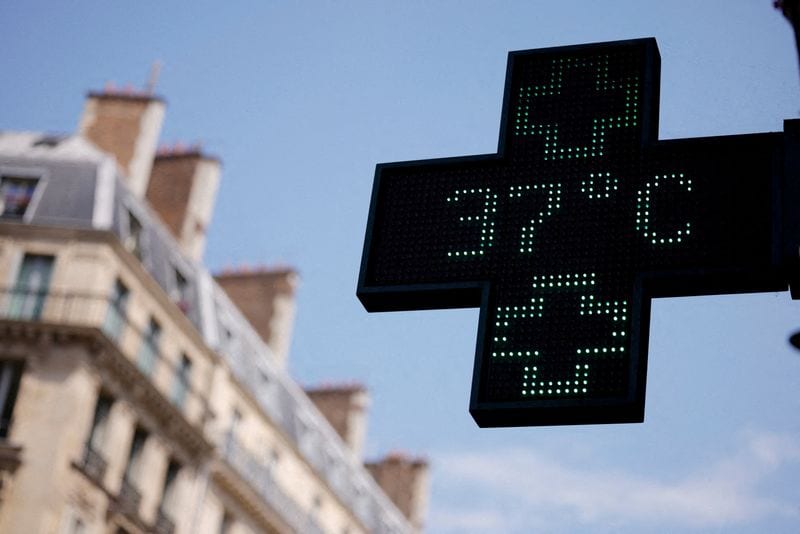
The French government successfully navigated a no-confidence vote in parliament on Monday, initiated by the Green party in response to its handling of a severe heatwave in late June. The motion garnered 132 votes, falling significantly short of the 289 required for it to pass.
French Health Minister Stephanie Rist reported that 2,025 excess deaths were recorded in France during the heatwave, with a notable increase among individuals over 45. Earlier reports had estimated at least 1,000 excess deaths.
The Green party, along with hard-left France Unbowed lawmakers and one Socialist lawmaker, backed the motion. However, it was widely expected to fail, as other major opposition parties like the National Rally had indicated they would not support it. Socialists have also consistently opposed previous no-confidence motions against Prime Minister Sebastien Lecornu's minority government.
Government spokesperson Maud Bregeon had stated prior to the vote that the government was focused on managing the crisis, while political forces were exacerbating it by introducing the motion. Despite temperatures dropping from record highs, they remained around 30 degrees Celsius in many areas, with forecasts predicting a rise over the weekend.
During parliamentary exchanges, Green party leader Cyriele Chatelain had accused the government of bearing responsibility for the deaths and pursuing policies that deepen inequality. Prime Minister Lecornu had strongly refuted these claims, calling the accusations "scandalous" and "undignified."