Key facts
- France recorded 2,025 excess deaths during a late-June heatwave, with temperatures reaching 43.8 degrees Celsius.
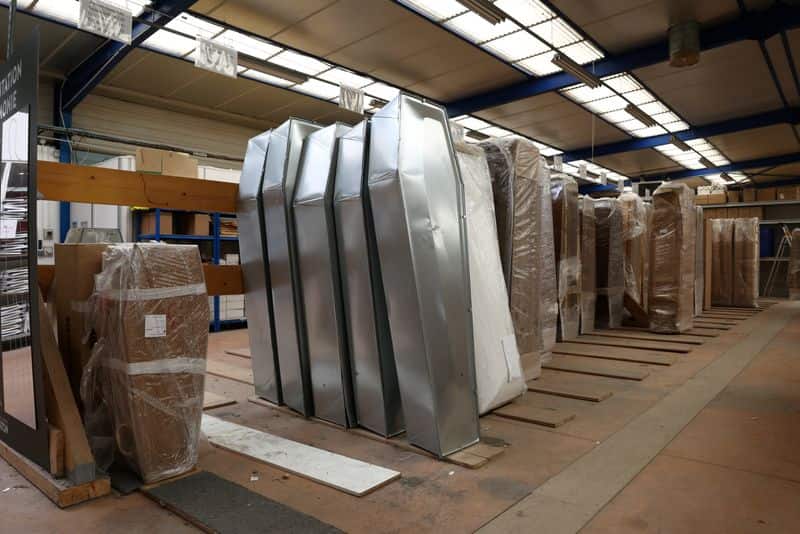
- Funeral homes were overwhelmed, with one director renting refrigerated containers to store an increased number of bodies.
- The Paris region experienced a nearly 65% rise in deaths, and the Centre-Val de Loire region saw an almost 50% increase.
- A 2025 poll indicated that 41% of French elderly care facilities lacked communal air-conditioned spaces.
- The government plans to invest hundreds of millions of euros in cooling hospitals and nursing homes.
France is confronting the harsh realities of a warming planet, an aging population, and a state struggling to fund necessary adaptations, as evidenced by a devastating late-June heatwave in 2026. The extreme temperatures, reaching up to 43.8 degrees Celsius, led to a significant increase in excess deaths, overwhelming funeral services and straining healthcare facilities. Gautier Caton, a funeral director in Orléans, described needing to rent refrigerated containers and receiving bodies from overstretched firms in Paris, highlighting the crisis.
Preliminary figures indicate 2,025 excess deaths, with notable increases in Paris and the Centre-Val de Loire region. While France has improved its heatwave alert system since the deadly 2003 event, which caused nearly 15,000 excess deaths, experts like former public-health agency head Francois Bourdillon argue that the country has neglected structural vulnerabilities in its infrastructure. Bourdillon stressed the need for a multi-year strategy to address 'heat epidemics,' citing a Paris hospital's lack of air conditioning during his sister-in-law's heart surgery.
Nursing homes are also struggling, with many lacking adequate air conditioning. Beatrice Noyer, a chief nurse, described residents gathered in the only air-conditioned room, using wet towels and water mists to cope. A 2025 poll revealed that a significant majority of elderly care facilities do not have communal air-conditioned spaces, and very few have air conditioning in residents' rooms. Noyer expressed concern that the needs of the elderly are not prioritized by politicians.
Prime Minister Sebastien Lecornu has pledged hundreds of millions of euros for cooling hospitals and nursing homes, but critics, including the Greens, argue this is insufficient. The government faces a challenge in balancing investments for extreme heat with deficit reduction and other spending priorities like defense. Environmental economics professor Matthieu Glachant believes the severity of recent heat events will influence political decisions beyond the immediate future.