HomeEverythingEducation
Equities & FundsCrypto & Digital AssetsAI & TechnologyBusiness & CorporateUS Politics & PolicyGeopolitics & Global RiskMacro, Rates & FXCommodities & EnergyEuropean Politics & MarketsAsia-PacificReal Estate & Property
Story archiveAll categories
← All Stories

US trade chief: Tariff caps in EU, Japan deals will be upheld

Created at 4 Jun · 4:15 PM3 sources↑ Market-relevant3 events
IN SHORT

The U.S. will uphold tariff caps in trade deals with the EU, Japan, and other countries, with planned tariffs over forced labor providing the legal basis. Washington has agreements with Brussels and Tokyo limiting U.S. tariffs on most EU or Japanese imports to a maximum of 15%.

✉Newsletter

PiQ Daily

Pick your topics. Get only what matters, on your cadence.

Key Numbers

15%maximum U.S. tariff on most EU or Japanese imports
60countries targeted by new U.S. forced labor tariffs
16largest U.S. trading partners in excess capacity probe
2027year for EU ban on products involving forced labor

Who's Involved

Jamieson Greer
U.S. Trade Representative stating tariff caps will be upheld
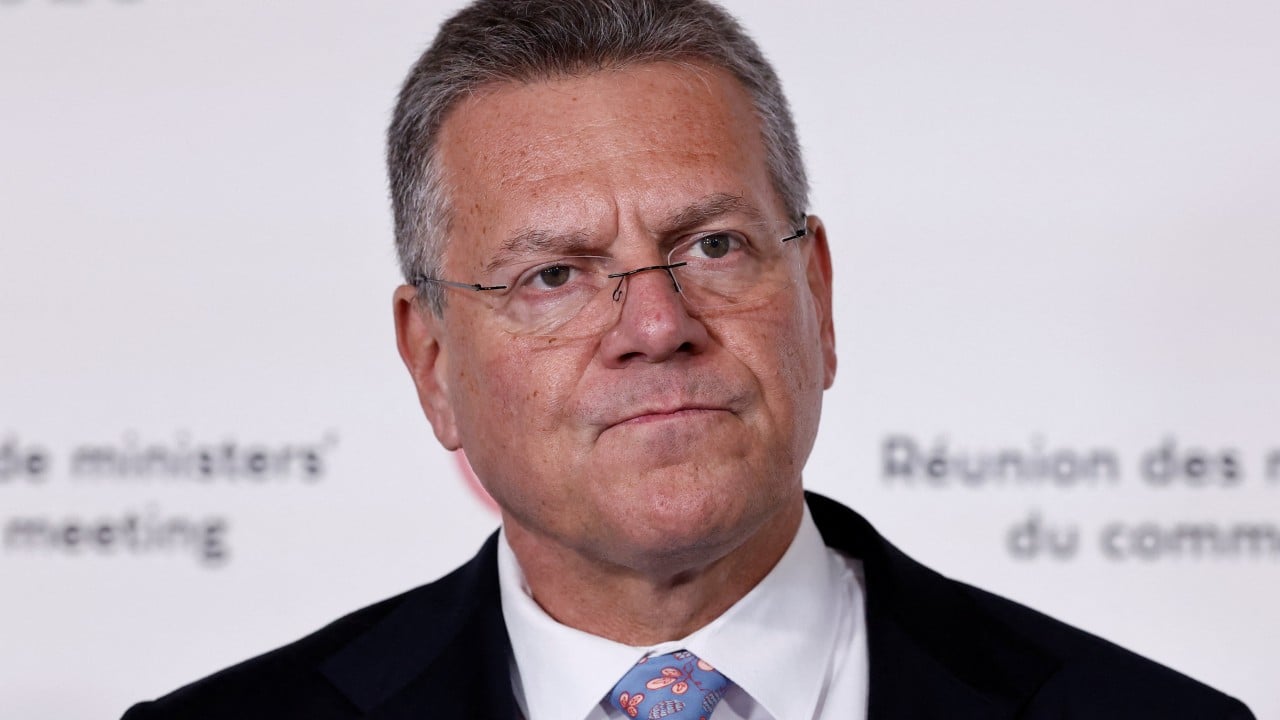
Maros Sefcovic
EU Trade Commissioner confirming agreement on tariff terms
Donald Trump
U.S. President whose authority is cited for imposing tariffs
US trade chief: Tariff caps in EU, Japan deals will be upheld

↳ Why This Matters

The U.S. commitment to upholding tariff caps in trade deals with key partners like the EU and Japan is crucial for maintaining stable trade relations and avoiding further escalation of trade disputes, particularly as new investigations into manufacturing capacity are pending.

Key facts

  • U.S. will uphold tariff caps in trade deals with the EU, Japan, and other countries.
  • Planned U.S. tariffs over forced labor provide the legal basis for respecting these caps.
  • Washington has trade deals with Brussels and Tokyo limiting U.S. tariffs on most EU or Japanese imports to a maximum of 15%.
  • The U.S. unveiled new tariffs on 60 countries after asserting they failed to curb trade in goods made with forced labor.
  • Findings from a second Section 301 probe into excess manufacturing capacity in 16 major U.S. trading partners will be released soon.

U.S. Trade Representative Jamieson Greer stated that the United States will respect tariff caps in trade deals with the European Union, Japan, and other countries. He indicated that planned U.S. tariffs related to forced labor provide the legal basis for upholding these agreements. Washington has previously agreed with Brussels and Tokyo to limit U.S. tariffs on most EU or Japanese imports to a maximum of 15%. Greer's office recently announced new tariffs on 60 countries following an investigation into trade in goods made with forced labor under Section 301 of the Trade Act of 1974. He also mentioned that findings from a second Section 301 probe into structural excess manufacturing capacity in 16 major U.S. trading partners, including China, the EU, and Japan, would be released in the coming weeks. Tariffs from this probe could potentially exceed the 15% cap unless limited by existing trade deals. Regarding the EU trade deal, Greer clarified that the agreement allows the U.S. to impose tariffs "up to a certain level," and the Section 301 findings grant President Donald Trump the authority to do so. EU Trade Commissioner Maros Sefcovic, who met with Greer at the OECD meeting, confirmed that both sides agreed "the deal is the deal," signifying for the EU the terms agreed upon at Turnberry, which include an all-inclusive 15% tariff. Sefcovic noted that EU countries were surprised to be targeted by forced labor tariffs given their high labor standards but expected the European Parliament to approve the Turnberry deal with the Trump administration. The EU is also working to implement a bloc-wide ban on all products involving forced labor by December 2027.

Frequently asked questions

The U.S. will uphold tariff caps of 15% on most EU or Japanese imports as per existing trade deals.

The U.S. cites planned tariffs over forced labor and findings from Section 301 investigations as the legal basis.

The EU agrees that "the deal is the deal," referring to the terms agreed at Turnberry, which include an all-inclusive 15% tariff.

The EU is working to introduce a bloc-wide ban on all products involving forced labor by December 2027.

What Happens Next

01Release of findings from the second Section 301 probe into excess manufacturing capacity.
02European Parliament approval of the Turnberry deal with the Trump administration.
03EU implementation of a ban on products involving forced labor by December 2027.

Get the newsletter.

Pick the topics you actually care about. We'll email when there's news worth your time, on the cadence you choose. Cancel any time from your account.

Cadence

How It Developed

4 Jun · 9:50 PM
The U.S. will uphold tariff caps in trade deals with the EU, Japan, and others, citing forced labor tariffs as legal basis.
PiQSuite
4 Jun · 9:50 PM
US trade chief Jamieson Greer affirmed tariff caps in deals with EU and Japan, citing forced labor tariffs as legal basis.
Reuters via PiQSuite
4 Jun · 4:06 PM
EU trade chief Maros Sefcovic seeks 'meaningful discussion' with China to address trade concerns and non-market practices.
South China Morning Post | China Economy via PiQSuite

Sources

T1
EU trade chief swipes at China's overcapacity, but seeks 'meaningful' talks with Beijingm.piqsuite.com
T1
US will uphold tariff caps in deals with EU, Japan and others, Trump's trade chief saysm.piqsuite.com
T1
US will uphold tariff caps in deals with EU, Japan and others, Trump's trade chief saysm.piqsuite.com

Related Stories

Spain proposes €850bn annual EU borrowing mechanism, sparking division
8 Jul · 9:10 AM
EU farmers' subsidies debated amid defense spending and Ukraine accession
8 Jul · 6:45 PM
France orders Meta to resume media payment talks
8 Jul · 9:50 AM
Volkswagen faces test on job cuts as unions protest
8 Jul · 11:55 AM
EU seeks equity market growth, but new rules may harm dealers
9 Jul · 3:35 AM