Key facts
- The EU has proposed a new sanctions regime to tackle migrant smuggling and human trafficking.
- The sanctions would include asset freezes and travel bans on individuals and entities involved.
- The initiative aims to disrupt the business model of smugglers and traffickers.
- The proposals require unanimous approval from the European Council.
- This move comes amid ongoing debates about the EU's migration policies.
The European Union has proposed a new sanctions framework aimed at combating migrant smuggling, human trafficking, and other serious forms of organized crime. The proposed measures include asset freezes and travel bans for offenders.
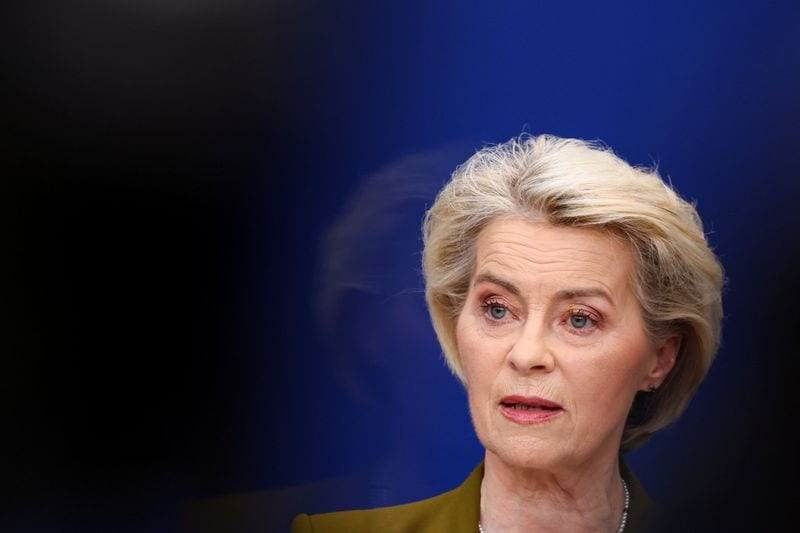
European Commission President Ursula von der Leyen stated that the goal is to "drive them out of business" and save the lives of individuals seeking a better life, emphasizing that "We in Europe must be the ones to decide who comes to us and in what circumstances."
The initiative targets illicit activities originating outside the EU that threaten the Union's values and security. It specifically addresses conduct related to migrant smuggling, human trafficking, illicit drug trade, firearms trafficking, and money laundering, identifying individuals and entities involved.
The proposed restrictive measures are asset freezes and prohibitions on making funds or economic resources available to listed persons or entities, as well as travel bans to prevent entry into or transit through EU Member States. These tools would be applied in a coordinated manner, ensuring they are swift, proportionate, and regularly reviewed.
This proposal follows President von der Leyen's announcement during the 2025 State of the Union address and comes amid ongoing debates surrounding the EU's migration policies. Last month, the European Parliament approved a migration overhaul focused on streamlining deportations and establishing offshore detention centers, a measure that has faced criticism from countries like France and Spain for being too harsh and potentially undermining asylum protections. Amnesty International has also criticized the EU's migration changes, likening them to crackdowns by the Trump administration.