Key facts
- EU imports of Russian LNG from the Yamal project increased by nearly 18% in the first five months of 2026.
- EU ports received 8.37 million metric tons of LNG from Yamal between January and May 2026.
- In May 2026, 92% of Yamal LNG exports were delivered to EU ports.
- Loopholes related to short-term contracts signed before March 2026 allow continued imports.
- Spain and Belgium are the largest EU importers of Yamal LNG.
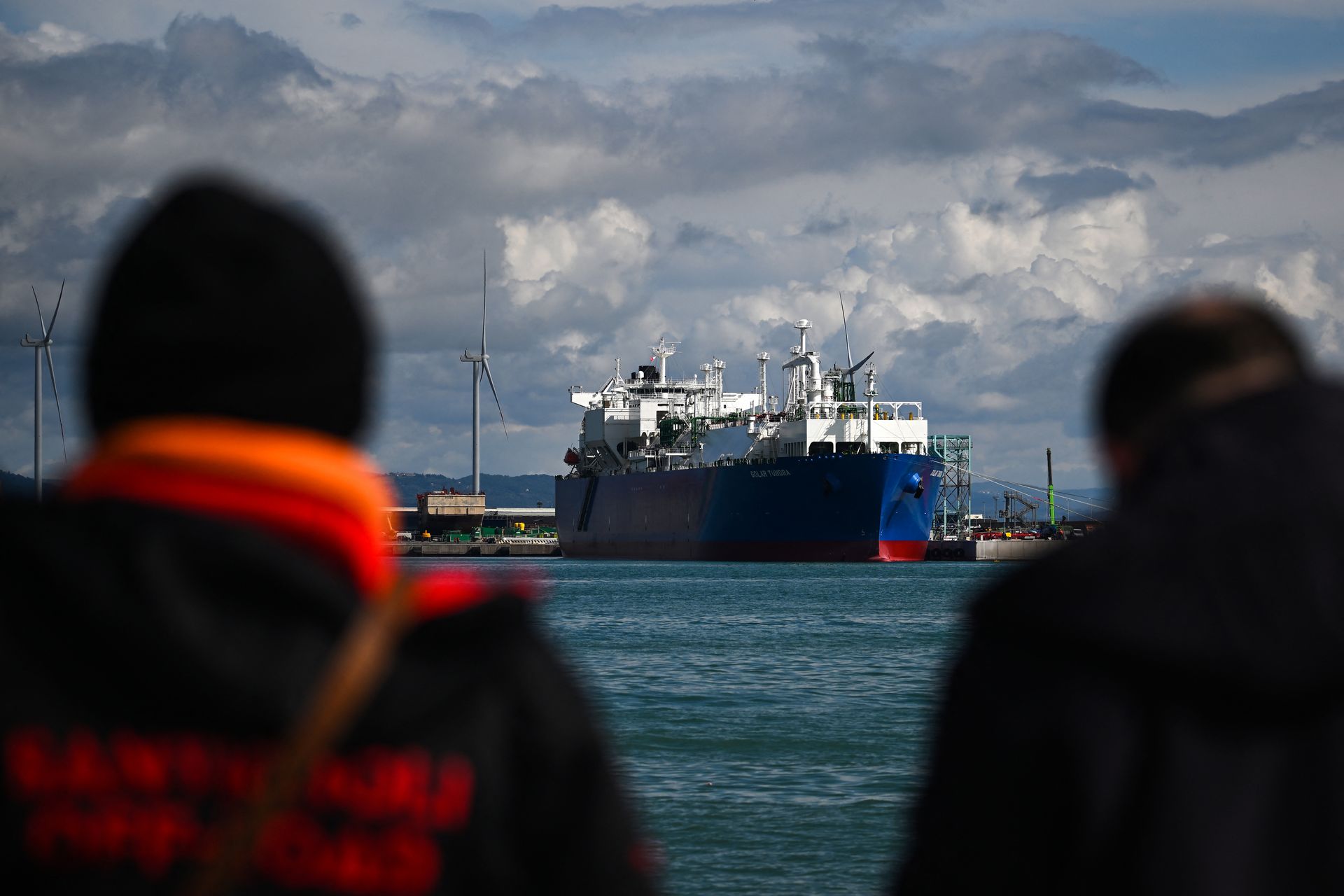
European Union ports received 8.37 million metric tons of liquefied natural gas (LNG) from Russia's Yamal project between January and May 2026, an increase of nearly 18% compared to the same period in the previous year, according to a report by NGO Urgewald. This rise highlights challenges in the EU's efforts to reduce dependency on Russian energy, despite phased bans on Russian gas imports.
In May 2026, 23 out of 25 Yamal LNG cargoes were delivered to EU ports, representing 92% of the project's exports for the month and a 20.7% increase from May 2025. This surge occurred despite the EU's implementation of restrictions on Russian LNG imports, including a ban on short-term contracts signed before June 17, 2025, and a prohibition on new import contracts from March 18, 2026.
Analysts attribute the continued flow to loopholes, specifically contracts signed between June 17, 2025, and March 18, 2026, which remain valid. Sebastian Rotters of Urgewald described the situation as "disappointing," noting the ban's limited impact due to the timing of contract expirations.
The Yamal LNG project, located on Russia's Arctic Yamal Peninsula, is operated by Novatek. Approximately 97% of its exports during the first five months of 2026 were destined for the EU, with China receiving only four cargoes. Daily deliveries were valued at approximately 29 million euros ($33.5 million) based on an average Dutch TTF gas price of 38 euros per megawatt-hour.
Spain emerged as the top EU importer in May 2026, receiving eight cargoes totaling 586,279 metric tons. Belgium's Zeebrugge LNG terminal continued to be a key European hub, handling six cargoes in May and 31 shipments in the first five months of the year. A spokesperson for Belgium's Foreign Ministry stated that the country is actively working towards the EU's objective of phasing out Russian gas imports by January 1, 2028.