Key facts
- The European Commission proposed a visa ban targeting current and former Russian soldiers.
- The proposal is part of the EU's 21st sanctions package, expected in July.
- Nordic and Baltic countries previously advocated for banning ex-Russian soldiers.
- Visas granted to Russian citizens by EU countries have increased since 2023.
- The EU plans to revise its visa code in early 2027 to introduce targeted restrictive measures.
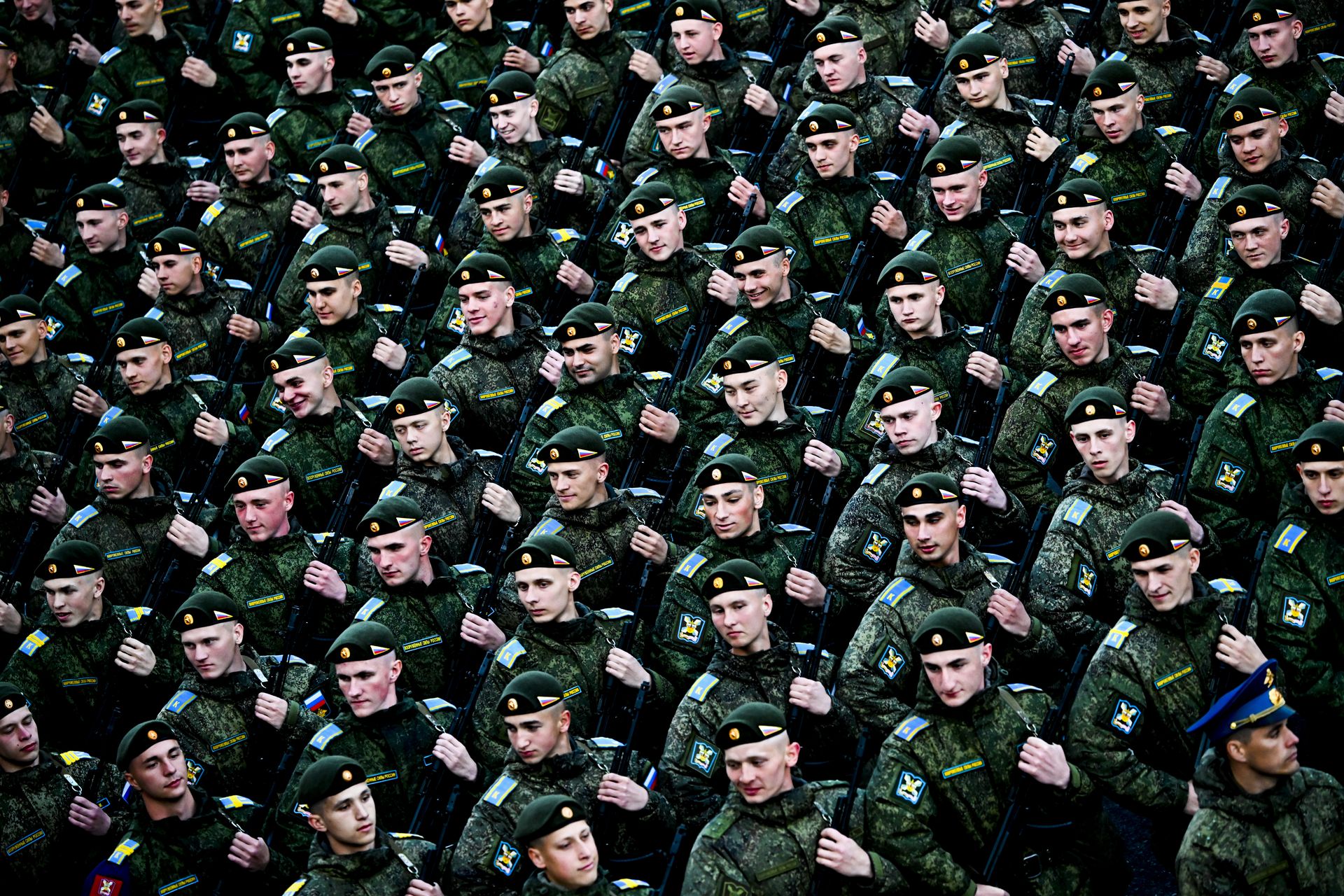
The European Commission has proposed a visa ban specifically targeting current and former Russian soldiers as part of the EU's upcoming sanctions package. This initiative, supported by Nordic and Baltic nations who have previously called for similar measures, aims to restrict entry for individuals involved in combat.
The proposal comes amid a reported increase in the number of visas being issued to Russian citizens by EU member states, a trend that has sparked debate about the comprehensiveness of the EU's response to Russia's actions in Ukraine. While France, Italy, and Spain are noted for granting a significant portion of these visas, other countries like the Baltic states and Poland have adopted stricter policies.
An EU official indicated that the proposed ban on soldiers is an initial step, with further restrictive measures potentially being developed. This aligns with a broader EU visa strategy that includes plans to revise the visa code by early 2027. The revision may introduce new categories of targeted visa restrictions, potentially affecting specific traveler groups or nationalities, though visa issuance remains a member state competency.