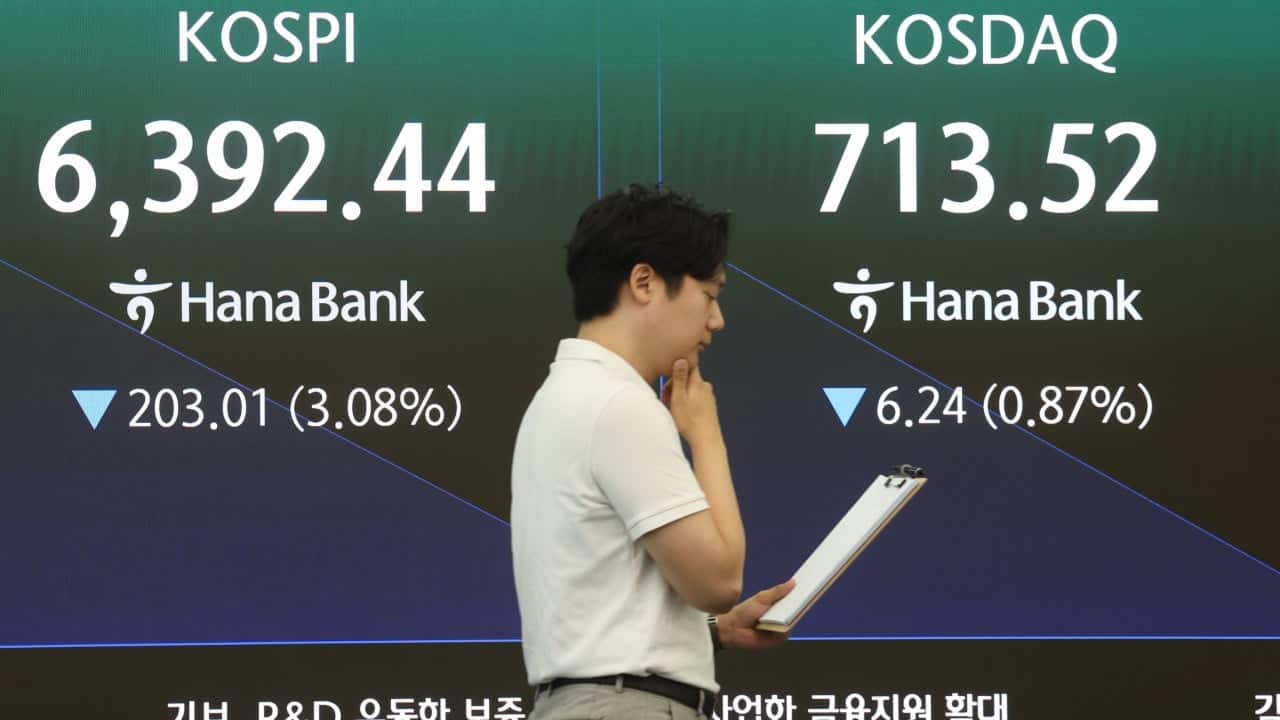
South Korea's KOSPI index is experiencing historic volatility, reaching 63% year-to-date, a figure that surpasses Bitcoin's 48%. This surge is attributed to a heavy concentration in AI chip giants Samsung Electronics and SK Hynix, with retail investor activity in leveraged ETFs further amplifying the swings. In response to mounting investor losses, South Korea's financial regulator is tightening oversight of these high-risk ETFs to enhance investor protection.
✉Newsletter
PiQ Daily
Pick your topics. Get only what matters, on your cadence.
Key Numbers
63%KOSPI year-to-date volatility
48%Bitcoin year-to-date volatility
Who's Involved
KOSPI
South Korea's stock market index experiencing historic volatility
Bitcoin
Cryptocurrency used for volatility comparison
Samsung Electronics
AI chip giant contributing to KOSPI volatility
SK Hynix
AI chip giant contributing to KOSPI volatility
South Korea's financial regulator
Entity strengthening oversight of high-risk ETFs
Key facts
The KOSPI index has experienced historic volatility, reaching 63% year-to-date.
Bitcoin's year-to-date volatility is 48%.
KOSPI volatility is driven by concentration in AI chip giants Samsung Electronics and SK Hynix.
Retail investor activity in leveraged ETFs is amplifying KOSPI volatility.
South Korea's financial regulator is strengthening oversight of high-risk ETFs.
This regulatory move follows significant investor losses.
The aim is to protect retail investors from volatile products.
South Korea's KOSPI index has seen its volatility surge to a year-to-date level of 63%, a figure that notably exceeds Bitcoin's 48% volatility. This heightened market fluctuation is largely concentrated in the performance of AI chip giants, specifically Samsung Electronics and SK Hynix. The significant swings in the KOSPI are further amplified by the trading activities of retail investors, particularly their engagement with leveraged exchange-traded funds (ETFs).
In light of substantial investor losses stemming from these volatile products, South Korea's financial regulator is implementing stricter oversight measures for high-risk ETFs. The primary objective of this regulatory action is to safeguard retail investors from the potential financial repercussions associated with highly speculative and volatile investment vehicles. The concentration of market activity in a few key stocks, combined with the leveraged nature of certain ETFs, has created a particularly volatile environment.
The current situation highlights a growing concern regarding market stability and investor protection within South Korea's financial landscape. The reliance on a narrow set of technology stocks for index performance, coupled with the increased participation of retail investors in complex financial products, presents a significant challenge for regulators aiming to maintain a balanced and secure market.
↳ Why This Matters
South Korea's KOSPI index has seen its volatility surge to a year-to-date level of 63%, a figure that notably exceeds Bitcoin's 48% volatility. This heightened market fluctuation is largely concentrated in the performance of AI chip giants, specifically Samsung Electronics and SK Hynix. The significant swings in the KOSPI are further amplified by the trading activities of retail investors, particularly their engagement with leveraged exchange-traded funds (ETFs).
Frequently asked questions
The KOSPI is the benchmark stock market index of South Korea, representing the performance of listed companies on the Korea Exchange.
The KOSPI's volatility is primarily driven by its heavy concentration in AI chip giants Samsung Electronics and SK Hynix, amplified by retail investor activity in leveraged ETFs.
As of July 31, 2026, the KOSPI's year-to-date volatility was 63%, surpassing Bitcoin's 48%.
South Korean regulators have temporarily halted new listings of leveraged ETFs in response to the market volatility.
What Happens Next
01Regulators may consider further measures to address KOSPI volatility.
02Samsung Electronics and SK Hynix performance will continue to heavily influence the KOSPI.
03Global investors will reassess concentration risk in technology and semiconductor-heavy markets.
Get the newsletter.
Pick the topics you actually care about. We'll email when there's news worth your time, on the cadence you choose. Cancel any time from your account.