Key facts
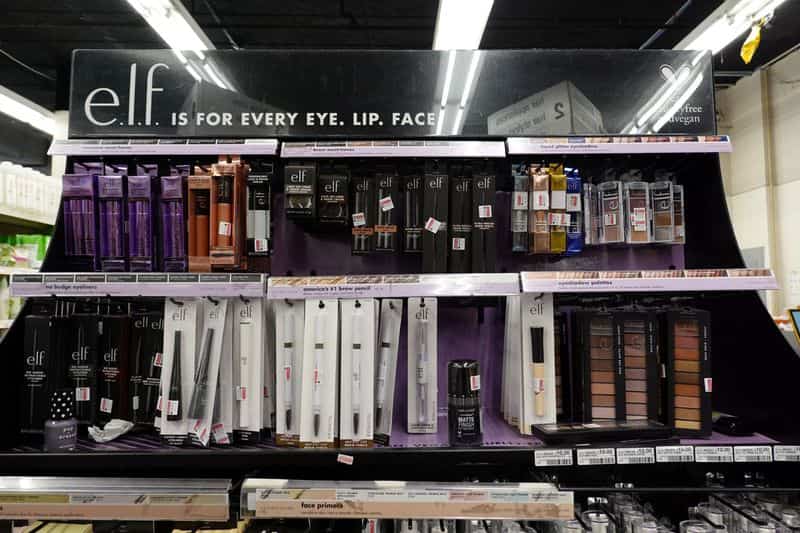
- Elf Beauty has increased its annual sales and profit outlook.
- Elf Beauty's growth is driven by demand for affordable makeup and skincare.
- Elf Beauty has a partnership with Sephora.
- Eli Lilly raised its full-year revenue forecast to between $85 billion and $87 billion.
- Eli Lilly's strong drug demand is for Zepbound and Mounjaro.
- Kraft Heinz lowered its annual sales and profit forecasts.
- Kraft Heinz expects 2025 organic net sales to decline between 3% and 3.5%.
- Activist investor Starboard Value has built a new stake in Shake Shack.
- Shake Shack shares rose 11% after the news of Starboard Value's stake.
- Jeff Smith is the CEO of Shake Shack.
Elf Beauty has elevated its annual sales and profit outlook, attributing the upward revision to strong consumer demand for its affordable makeup and skincare lines. The company's strategy, emphasizing value and international growth through partnerships like the one with Sephora, is proving effective in navigating inflationary pressures. This positive outlook contrasts with Kraft Heinz, which has reduced its own annual sales and profit forecasts. Kraft Heinz points to persistent weakness in consumer demand and difficult operating environments as reasons for its lowered expectations. The company now anticipates a decline in organic net sales for 2025, projected to be between 3% and 3.5%.
Eli Lilly and Co. has also revised its financial projections upward, raising its full-year revenue forecast to a range of $85 billion to $87 billion. This adjustment is driven by continued strong demand for its popular weight-loss and diabetes medications, Zepbound and Mounjaro. Eli Lilly's revision follows a similar move by its competitor, Novo Nordisk. In a separate development, activist investor Starboard Value has reportedly taken a new stake in Shake Shack. Following this news, Shake Shack's stock experienced a significant increase, rising 11% in afternoon trading, according to reports citing CEO Jeff Smith.