Key facts
- Metro Bank reported a record half-year pre-tax profit of £60.7 million, up 41% year-on-year.
- Revenue increased 5% to £301 million, with net interest income up 8% to £241.5 million.
- The bank's loan book grew 4% to £9.2 billion, with a focus on small business lending.
- Net interest margin rose to 3.18% in the first half.
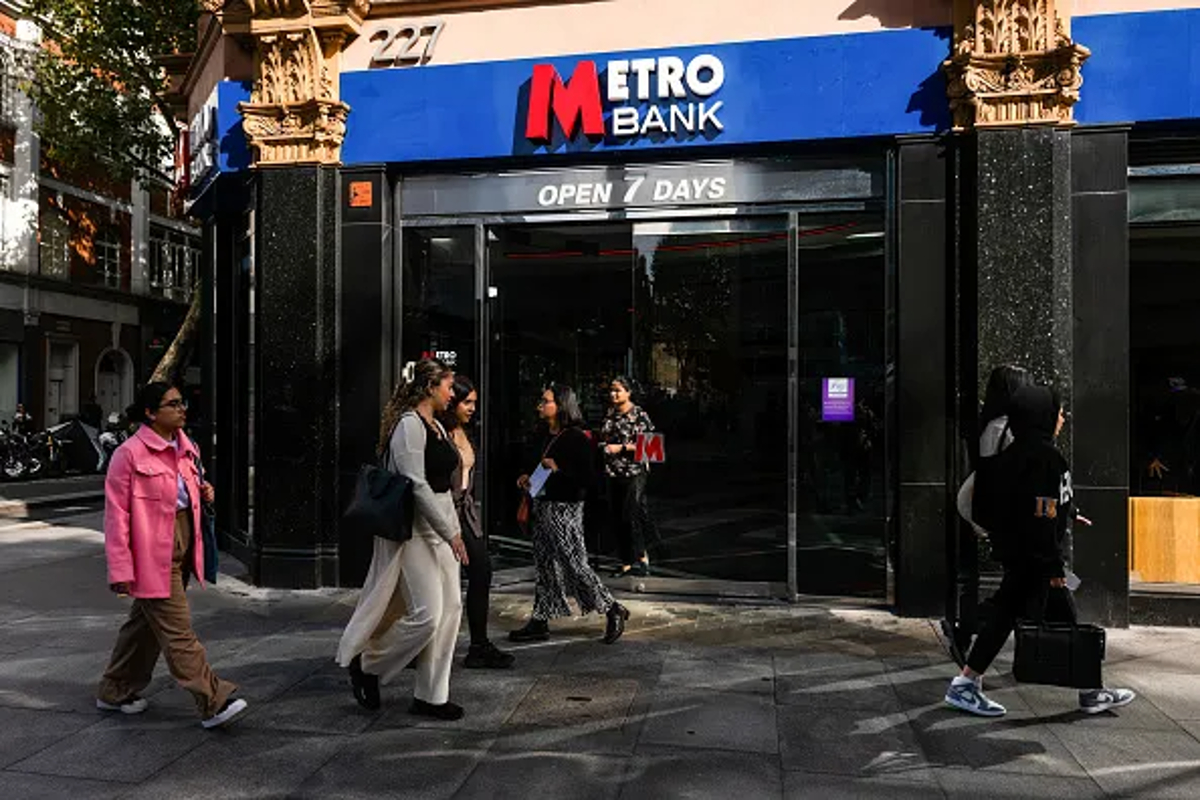
- Metro Bank is expanding its physical presence with new leases in Newcastle, Leeds, and Nottingham.
Metro Bank achieved its highest-ever half-year profit in the first six months of 2026, reporting a pre-tax profit of £60.7 million, a 41% increase from the previous year. This performance bucked the industry trend of branch closures, as the bank focused on expanding its small business lending.
Revenue rose 5% to £301 million, primarily driven by an 8% increase in net interest income to £241.5 million, which constitutes about 80% of the bank's income streams. Fee and other income saw a 13% decline to £55 million, but this was partially offset by a £4.4 million gain from asset sales, a significant swing from a £200,000 loss in the first half of 2025.
The bank's total loan book expanded by 4% to £9.2 billion. Metro Bank is strategically targeting the small business lending sector, which typically offers higher margins. Its core target lending, encompassing corporate, small business, and specialist mortgages, grew by 43% year-on-year to £6.2 billion, helping to replace older residential mortgage and consumer loan portfolios.
The net interest margin, a key profitability indicator for lending, increased to 3.18% during the half-year period, with the bank exiting the second quarter at 3.25%. Metro Bank has set a target range of 3.4% to 4% for its net interest margin by December 2026. The bank also reaffirmed its return on tangible equity targets, aiming for over 13% by the final quarter of 2026 and over 18% by 2028.
In line with its expansion strategy, Metro Bank has signed new store leases in Northern economic hubs, including Newcastle, Leeds, and Nottingham, during the first half of the year. This move contrasts with many larger banks that have been reducing their physical branch networks.