Key facts
- Intuitive Surgical shares fell over 12% in pre-market trading.
- The company maintained its global growth forecast for da Vinci robot procedures.
- Intuitive warned that changes in insurance plans could reduce demand.
- U.S. da-Vinci procedure growth in the second quarter was 12%, below expectations.
- The expiration of ACA premium subsidies had a modest adverse impact on U.S. procedure growth.
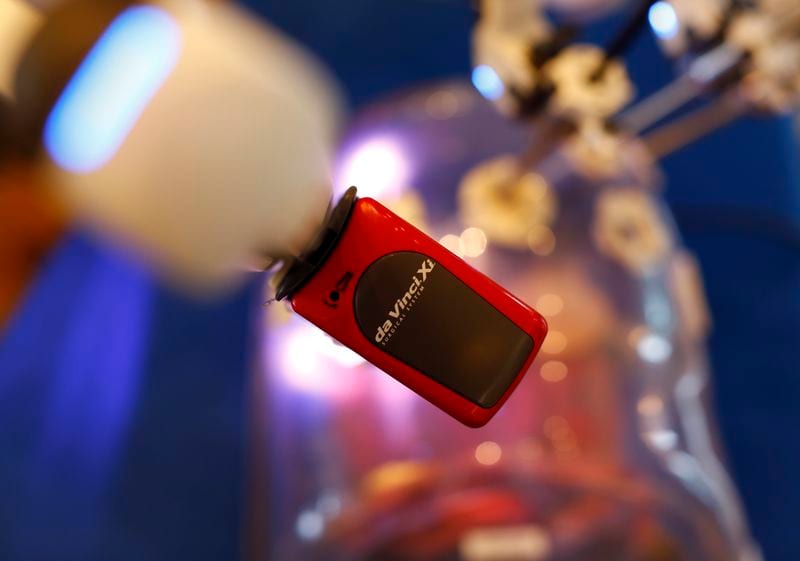
Intuitive Surgical shares declined more than 12% in pre-market trading on Friday following a warning that changes to certain insurance plans could negatively impact demand for procedures utilizing its da Vinci surgical robots. The company reaffirmed its global growth forecast for these procedures but acknowledged that U.S. demand has softened.
This update comes as a disappointment to Wall Street, particularly after medical device maker Abbott had previously suggested that declines in Affordable Care Act (ACA) plan enrollment were not materially affecting the medical technology industry. HCA Healthcare, a major U.S. hospital operator, had also recently reported softer demand for surgical procedures and an increase in uninsured patients, attributing it partly to the expiration of pandemic-era ACA subsidies.
Evercore ISI analyst Vijay Kumar noted that the softness in Intuitive's U.S. procedure growth, which is at its slowest in three years, reignites the debate about demand in the medtech sector. Intuitive Surgical expects worldwide da Vinci-assisted procedure growth to be between 13.5% and 15.5% in 2026. However, second-quarter U.S. procedure growth was 12%, moderated from earlier expectations, with many deferrable surgeries being postponed.
Intuitive CEO David Rosa stated that changes in patient coverage and premium dynamics appear to be influencing the timing of care. The company indicated that the expiration of enhanced ACA premium subsidies had a modest adverse impact on second-quarter U.S. procedure growth. J.P.Morgan analyst Robbie Marcus commented that while management cannot yet quantify the exact impact, the firm believes it is a small percentage.