Key facts
- Haleon reported first-half organic revenue growth of 2.6%, in line with forecasts.
- The company's first-half adjusted operating profit was £1.36 billion, exceeding expectations.
- Shares of the consumer health company fell by up to 3.3% due to concerns over sales growth.
- Sluggish demand in Europe and declining respiratory sales contributed to the concerns.
- CEO Brian McNamara stated confidence in a stronger second half driven by emerging markets and demand recovery.
- Higher freight expenses, partly due to the Iran war, impacted the company's performance.
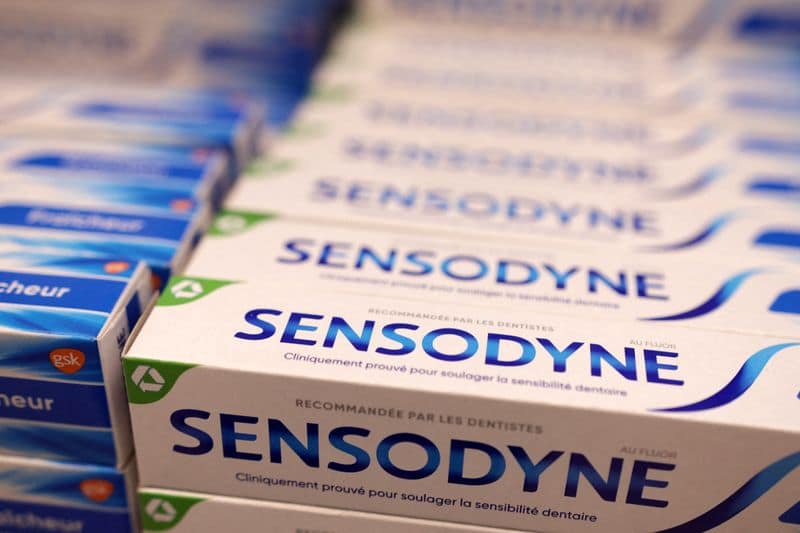
Haleon, the maker of Sensodyne toothpaste and Theraflu, saw its shares slip on Thursday as concerns about sales growth overshadowed a better-than-expected first-half profit. The company reported first-half organic revenue growth of 2.6%, which, while in line with forecasts, necessitates a stronger second half to meet its medium-term target of 4% to 6% growth.
Despite efforts to boost sales in its largest market, North America, where organic revenue grew 3.1% in the second quarter, growth in Europe was nearly flat. Respiratory sales experienced a steeper decline of 6.5% in the first half compared to the previous quarter. These factors led to a share price drop of as much as 3.3% by 1230 GMT.
CEO Brian McNamara expressed confidence in achieving a stronger second half, attributing potential growth to emerging markets and a recovery in demand for cough-and-cold products, which have been impacted by a weak flu season globally. Haleon's first-half adjusted operating profit of £1.36 billion ($1.81 billion) surpassed analyst expectations of £1.32 billion.
However, analysts at Jefferies noted that stronger underlying sales growth was needed. The company also faced challenges from higher freight expenses, partly linked to the Iran war, which dampened consumer sentiment in markets like Dubai. Finance chief Dawn Allen indicated that costs would increase in the second half as hedging arrangements expire, but McNamara stated that Haleon could absorb these costs without raising prices due to gross margin improvements.