Key facts
- Airbus has set an internal delivery target of 900 aircraft for the year.
- The company handed over 89 jets in June.
- Airbus's official full-year delivery guidance is 870 aircraft.
- The increased delivery pace is attributed to clearing backlogs and improved engine supply.
- Airbus delivered 306 commercial aircraft in the first half of 2025.
Airbus has established an internal delivery target of 900 aircraft for the current year, a figure that surpasses its official guidance of 870. This informal goal was set following a strong June, during which the company delivered 89 jets. Industry sources indicate that this accelerated delivery rate is due to Airbus catching up on delayed orders, particularly to China, and a notable easing of disruptions related to engine supplies.
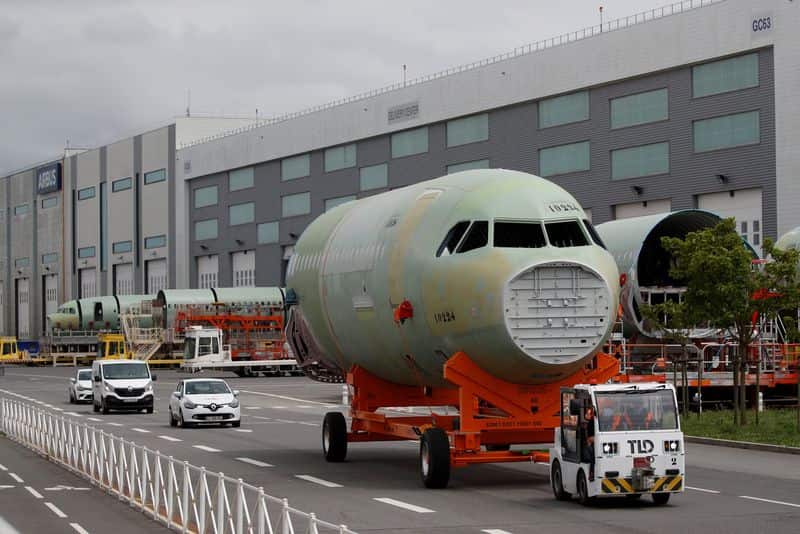
In the previous year, 2025, Airbus concluded with 793 deliveries, narrowly missing its initial target of 820 but surpassing its revised goal of 790. This achievement was bolstered by a significant number of deliveries in the final month of the year. The company's strategy involves expanding its global production network, with new final assembly lines (FALs) in Mobile, Alabama, and Tianjin, China, alongside the repurposing of a former A380 assembly line for A320 family production in Europe. These globalized facilities aim to increase output and provide a hedge against regional disruptions.
For the first half of 2025, Airbus delivered 306 commercial aircraft, averaging 51 per month. The June 2025 deliveries of 63 aircraft represented an increase from May's 51, contributing to the overall ramp-up. The A321neo variant is a significant driver, accounting for approximately 60% of single-aisle deliveries, with production lines being tailored to meet a backlog that extends beyond 2030. Airbus is progressing towards a monthly production rate of 75 A320 family aircraft by 2027.