Key facts
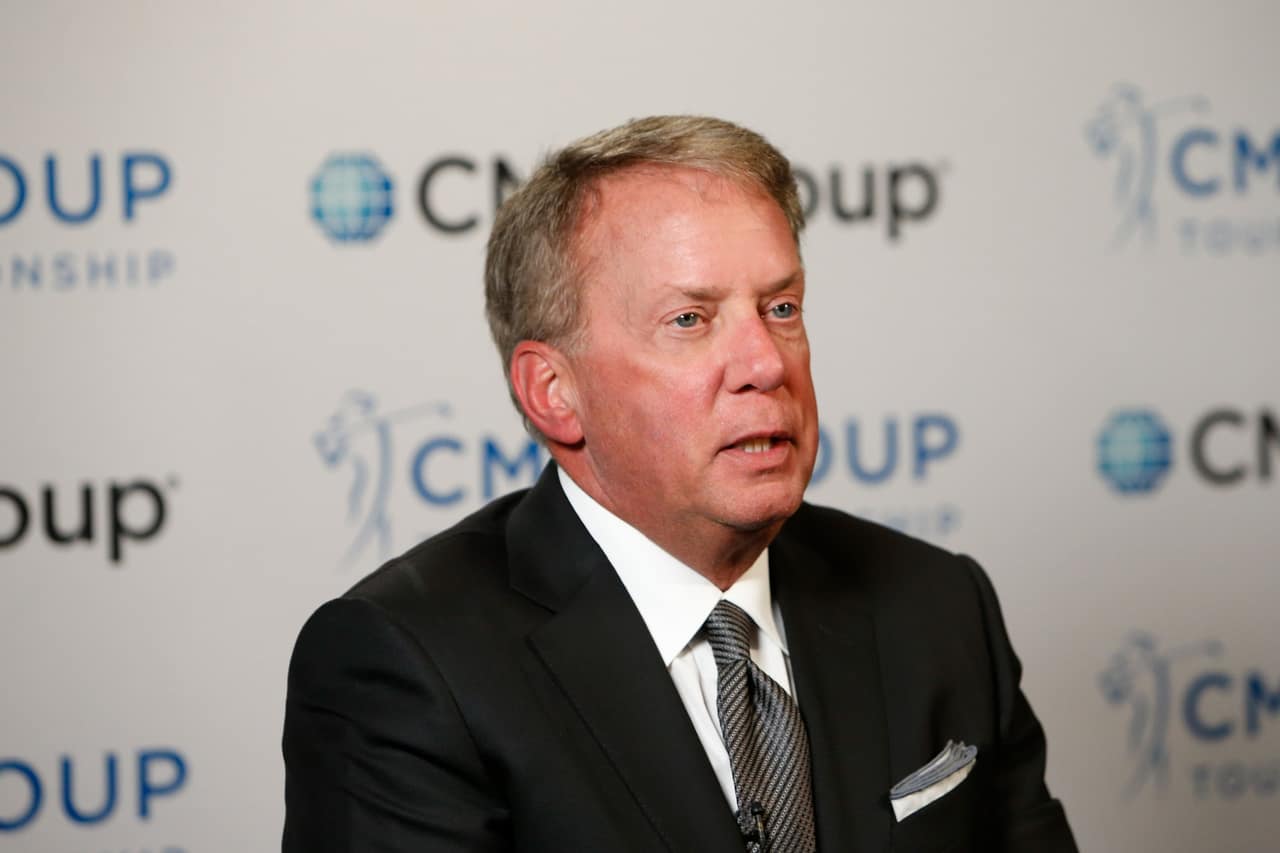
- CME Group Chairman and CEO Terry Duffy has warned of a tax risk for U.S. perpetual futures.
- The risk arises if perpetual futures are classified as swaps rather than futures.
- This classification ambiguity could lead to significant tax and regulatory uncertainty.
- Traders may face unexpected tax liabilities due to this uncertainty.
CME Group Chairman and CEO Terry Duffy has issued a warning regarding a potentially overlooked tax risk for perpetual futures contracts if they are approved in the United States. Duffy's primary concern centers on the classification of these financial instruments. If perpetual futures are classified as swaps rather than futures, it could introduce considerable tax and regulatory uncertainty for traders. This ambiguity poses a risk of unexpected tax liabilities for market participants, potentially impacting trading activity and market stability. The classification of these contracts is crucial for determining the applicable regulatory framework and tax treatment. The CME Group, a major player in derivatives markets, is highlighting this issue to ensure clarity and avoid unforeseen consequences for traders and the broader market.