Key facts
- Texans lost $56.8 million to cryptocurrency kiosks in 2025, the highest amount reported by any state.
- The FBI received 1,179 complaints from Texas regarding crypto kiosk scams in 2025.
- Nationally, reported losses to crypto kiosks increased by 58% to $389 million in 2025, with 13,460 complaints filed.
- Scammers persuade victims to withdraw cash and deposit it into kiosks, which convert the funds to cryptocurrency.
- Some states, including Indiana, Tennessee, and Minnesota, have banned Bitcoin ATMs outright.
- Texas lawmakers are considering measures beyond regulation, potentially including a ban on these kiosks.
Texans lost $56.8 million to cryptocurrency kiosks in 2025, a figure that represents the highest amount reported by any state and prompted discussion among state lawmakers about potential bans. The FBI logged 1,179 complaints from Texas related to these scams, contributing to a national total of $389 million in losses across 13,460 complaints, a 58% increase from the previous year.
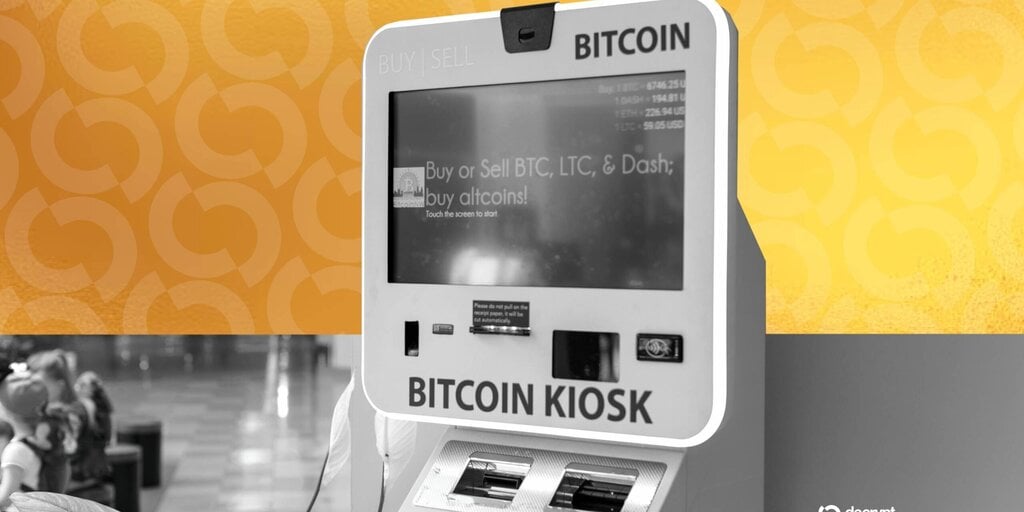
These kiosks, often found in gas stations and convenience stores, allow users to convert cash into cryptocurrency. Scammers reportedly convince victims to withdraw funds from their bank accounts and deposit them into these machines. The Texas Department of Banking noted that recovering funds once they are moved to unhosted wallets and through mixers is nearly impossible. The increasing sophistication of scams, including AI-generated impersonations of law enforcement and state agencies, was also highlighted.
During a legislative committee hearing, lawmakers expressed concern over the efficiency of these scams. Kelley Currie, an Atlantic Council fellow, likened the crypto scam industry to drug and human trafficking and suggested that kiosks are utilized by Chinese money launderers, though the Justice Department has not directly linked these specific groups to kiosk operations. Several states have already taken action, with Indiana, Tennessee, and Minnesota banning Bitcoin ATMs outright. Other states have implemented transaction caps or secured settlements with kiosk operators.
Texas lawmakers are now considering stronger measures, with Committee Chair Rep. Cole Hefner indicating a potential bill that could go beyond mere regulation, hinting at a "simple, but kind of abrupt" approach.