Key facts
- Hardware wallet unit sales at M.Video rose 107% in Q2 compared to Q1.
- Wildberries reported an 84% year-on-year increase in hardware wallet unit sales in the first half of the year.
- Russia is preparing to implement new cryptocurrency regulations starting September 1.
- Withdrawals from Russian digital depositories to personal wallets are restricted until July 1, 2027.
- A recent firmware flaw in Coldcard hardware wallets was disclosed, potentially causing significant losses.
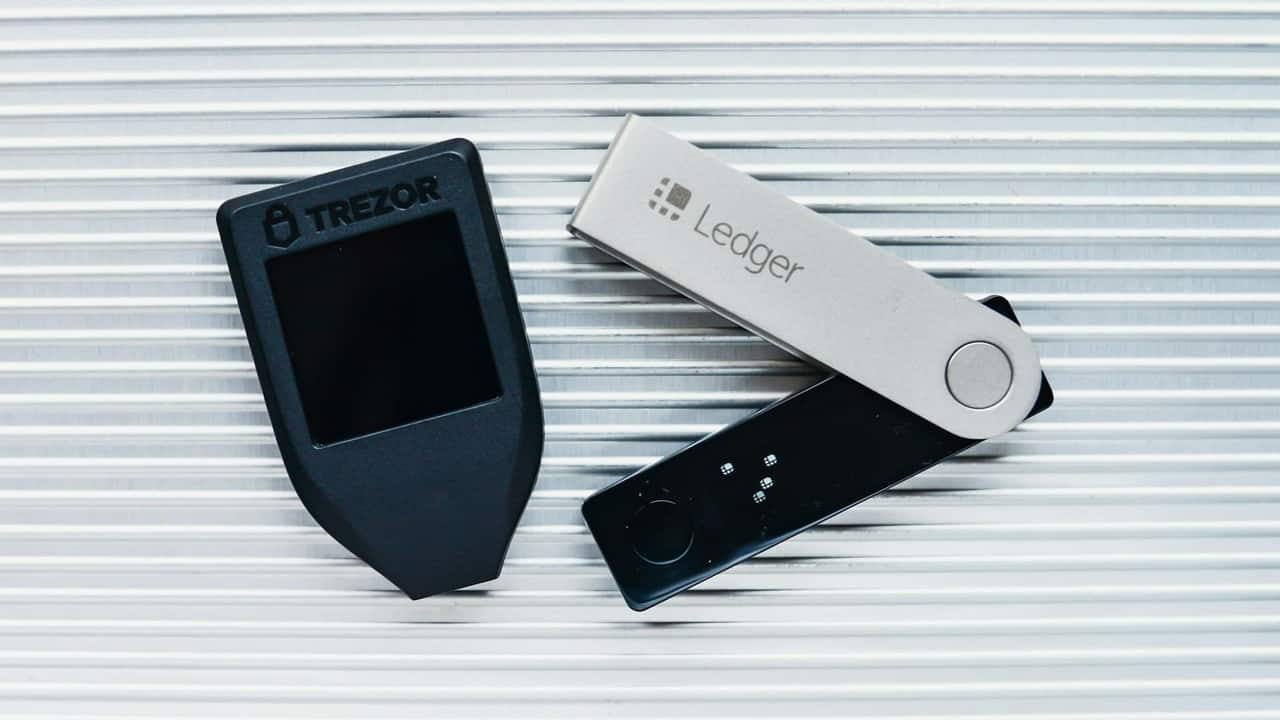
Russian consumers are increasingly purchasing hardware crypto wallets, with sales more than doubling in the first half of 2026, according to data from major retailers M.Video and Wildberries. M.Video reported a 107% increase in unit sales in the second quarter compared to the first, alongside a 92% rise in sales value. Wildberries saw an 84% year-on-year increase in unit sales and a 60% rise in sales value during the first half. The average price for hardware wallets on Wildberries decreased by 13% to 7,900 rubles, while M.Video expanded its product offerings.
This surge in demand for self-custody solutions comes as Russia prepares to implement a new, broader cryptocurrency regime on September 1. While Russian law does not prohibit non-custodial wallets, it does impose restrictions on withdrawals from domestic digital depositories to personal wallets, with a transition period extending until July 1, 2027. After this date, crypto transactions will be required to go through regulated entities, and banks will be mandated to reject transactions outside this framework.
The new framework, as outlined by the Bank of Russia, will permit regulated exchanges and digital depositories, and allow some retail investors to purchase liquid cryptocurrencies after testing and within an annual cap of 300,000 rubles per intermediary. However, the ban on domestic crypto payments will remain. Despite the benefits of hardware wallets in reducing exposure risks by storing private keys on dedicated devices, they are not without technical risks. Coinkite recently disclosed a firmware flaw in its Coldcard devices that could weaken seed generation, potentially leading to losses exceeding $116 million.