Key facts
- A new organization named Crypto Watchdog is running advertisements in Washington, D.C.
A new group, Crypto Watchdog, is running ads in Washington linking crypto to illicit activities as the Senate negotiates the Clarity Act. The group's funding sources remain undisclosed, while lawmakers grapple with contentious points in the legislation.
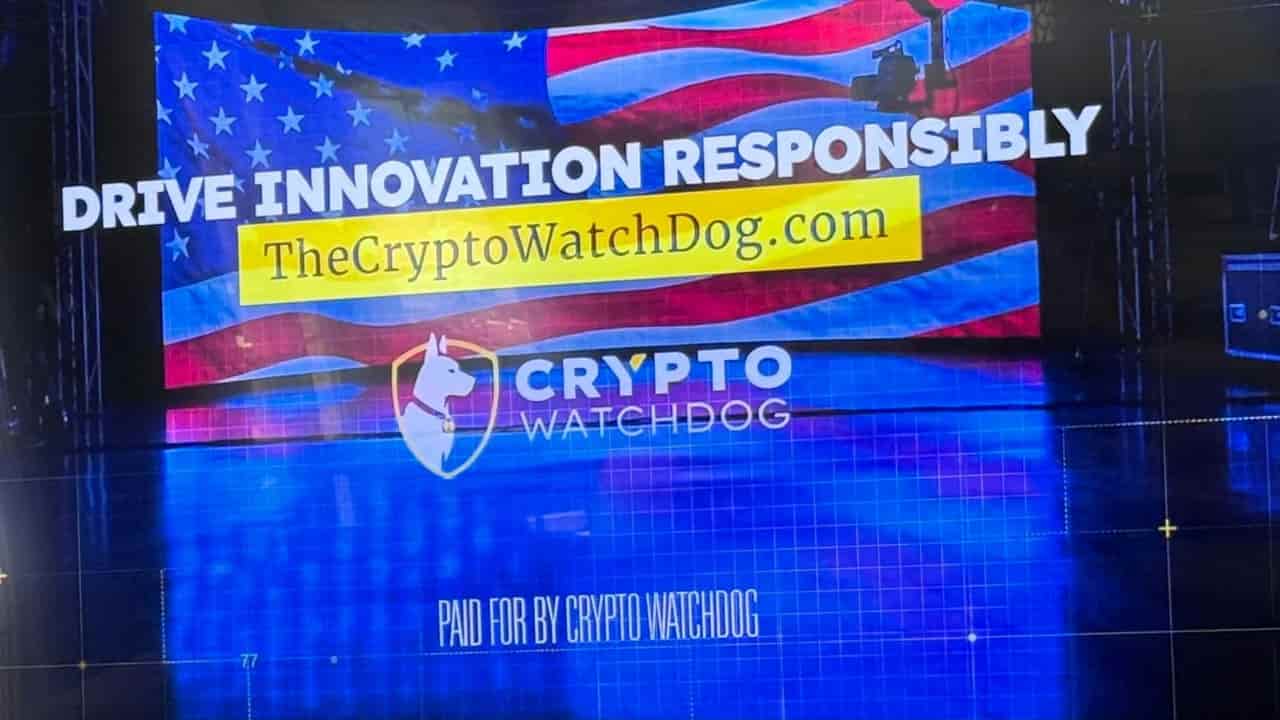
The emergence of Crypto Watchdog and its aggressive advertising campaign could influence public perception and sway undecided lawmakers as the Senate debates crucial cryptocurrency legislation, potentially impacting the future regulatory landscape for the digital asset industry.
A newly formed group, Crypto Watchdog, has launched a significant advertising campaign in Washington, D.C., aiming to highlight the perceived risks and illicit connections of the cryptocurrency industry. The campaign, running on television and social media, links digital assets to drug cartels and terrorists, urging for greater transparency. This push comes at a critical juncture as the U.S. Senate is in the final stages of negotiating the Digital Asset Market Clarity Act, legislation intended to establish a regulatory framework for the crypto market.
Crypto Watchdog's Executive Director, Chapin Fay, a media strategist with prior involvement in Republican political campaigns, stated that the organization's goal is to bring sunlight and transparency to an industry he described as historically opaque. The group also commissioned a survey of 1,000 voters, which reportedly found that 65% view crypto with a high level of distrust, a sentiment echoed in previous CoinDesk surveys.
However, Crypto Watchdog's own financial backing remains undisclosed, a point Fay declined to elaborate on, comparing the transparency of his funders to that of crypto itself as 'apples and oranges.' Despite Fay's assertion that the group is not 'anti-crypto,' its website prominently features articles detailing hacks, thefts, and scams within the sector.
The Clarity Act negotiations are reportedly nearing their end, with a key remaining point of contention being an ethics constraint on senior government officials' involvement with digital assets. Democrats, reportedly with President Donald Trump in mind, have pushed for stricter language, though a recent compromise proposal is awaiting a White House response. With the Senate scheduled to break for summer recess, lobbyists are working to secure the necessary support for the bill, with potential finalization in September.