Key facts
- Project Eleven has developed a zero-knowledge proof system to recover Bitcoin from addresses vulnerable to quantum computing attacks.
- The proposed BIP-361 standard would freeze such vulnerable coins after a five-year period.
- The new system cannot recover Bitcoin held by Satoshi Nakamoto because those coins were generated before wallet derivation trees existed.
- Quantum computers could break elliptic curve signatures, but one-way hashing used in modern wallets remains secure.
- Project Eleven's prototype shows faster proof generation and verification times compared to prior research.
A new zero-knowledge proof system developed by quantum research outfit Project Eleven offers a potential method to recover Bitcoin locked in addresses vulnerable to quantum computing attacks. This technology is designed to work with BIP-361, a proposed standard that would freeze such coins after a set period.
The system exploits the fact that while quantum computers could break current elliptic curve signatures, the one-way hashing used in modern wallet key derivation remains secure. This allows true owners to prove control of their funds without revealing sensitive key material.
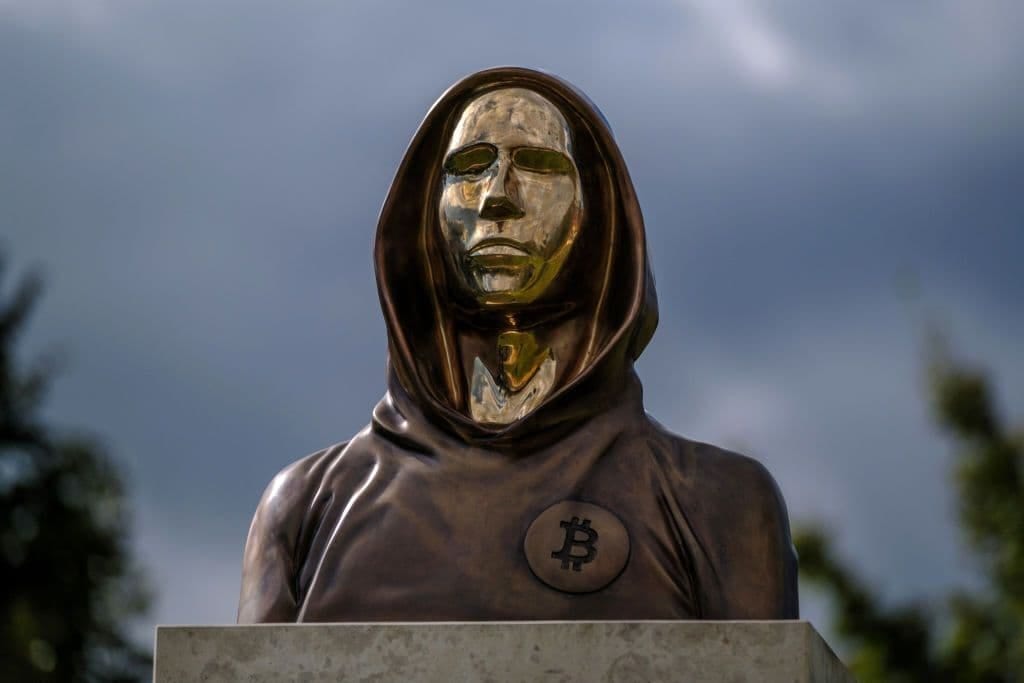
However, the proposed recovery tool faces significant hurdles. Project Eleven's prototype is still unaudited and incomplete, and its implementation would require contentious changes to Bitcoin's blockchain rules. Crucially, the system cannot recover the approximately 1.1 million Bitcoin attributed to Satoshi Nakamoto. These early coins were mined before the advent of wallet derivation trees (BIP-32), meaning there is no parent key or seed material above them to prove ownership of.
This limitation also applies to other pre-2012 wallets, which hold a substantial portion of the oldest and most dormant Bitcoin. The BIP-361 proposal itself has been met with criticism, primarily concerning the potential for permanent loss of ownership. A functional recovery proof, even with its limitations, could reframe the freeze as a temporary lock rather than a permanent loss, provided users still possess their seed phrases.