Key facts
- Bitcoin traded near $66,300, maintaining a two-week high.
- The Japanese yen dropped below 163 per dollar for the first time since 1986.
- A global semiconductor rally, led by U.S. and Asian chip stocks, is a key driver for crypto.
- Ether traded near $1,935, up 3% on the week.
- TRON Network reported a rise in stablecoin dominance to 28.7% in Q2 2026.
Bitcoin held near $66,300 on Wednesday, consolidating a two-week high, as a global semiconductor rally extended and the Japanese yen sank to its weakest level in four decades. The largest cryptocurrency was up nearly 1% on the day and 3% on the week, with trading volumes robust and price moves in major tokens remaining relatively muted. Ether traded near $1,935, up 3% on the week, while XRP added 2% to $1.14. Hyperliquid's HYPE was the day's laggard, down 4% to $60.
The engine behind the current market strength appears to be the chip trade. MSCI's Asia Pacific equities gauge rose 1%, extending Tuesday's gains, with South Korea's Kospi jumping 5% as a leveraged-position unwind seemed to be ending. Samsung and SK Hynix led the charge, following a more than 5% jump in a U.S. semiconductor gauge on Tuesday that pulled the index out of technical bear-market territory. The negative sentiment surrounding Chinese AI developments that had impacted these stocks less than a week ago has fully reversed.
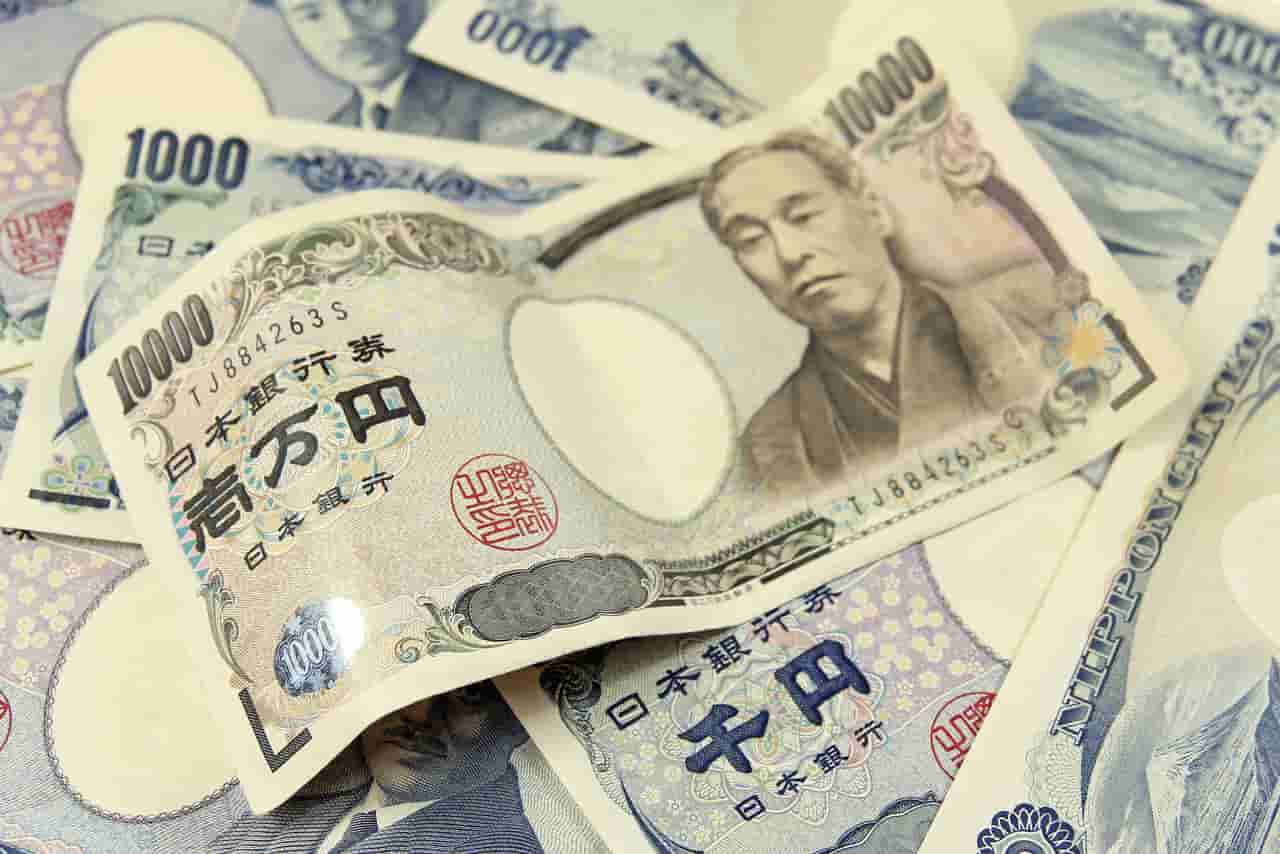
A more recent development is the currency market, where the yen slid past 163 per dollar for the first time since 1986. Japanese authorities, including Finance Minister Satsuki Katayama, have stated they are ready to take 'bold steps' to intervene, but these efforts have been overwhelmed by a strengthening dollar, rising U.S. Treasury yields, and oil prices increasing due to the Iran conflict.
This macroeconomic backdrop is what bitcoin proponents have long argued favors the cryptocurrency. A major currency losing significant value against the dollar, with its central bank unable to halt the slide despite substantial intervention, aligns with the debasement case for bitcoin. While it is unclear if this currency stress is driving real flows into bitcoin, which has been tracking chip stocks more closely, such macro pressures historically strengthen the argument for holding a fixed-supply asset.