HomeEverythingEducation
Equities & FundsCrypto & Digital AssetsAI & TechnologyBusiness & CorporateUS Politics & PolicyGeopolitics & Global RiskMacro, Rates & FXCommodities & EnergyEuropean Politics & MarketsAsia-PacificReal Estate & Property
← All Stories

Bitcoin Drops as Renewed Mideast Conflict Boosts Oil Prices

Created at 8 Jul · 11:20 AM1 source↑ Market-relevant
IN SHORT

Bitcoin fell to $62,000 amid renewed airstrikes between the U.S. and Iran, which sent oil prices up approximately 5%. This development adds to conflicting inflation signals, with consumer expectations rising while market-based breakevens have fallen.

✉Newsletter

PiQ Daily

Pick your topics. Get only what matters, on your cadence.

Key Numbers

$62,076.36Bitcoin price
3.7%Expected inflation over next 12 months
3.3%Expected inflation over next 3 years
5%Oil price jump
705 pointsDow futures drop
1.3%Dow futures percentage drop

Who's Involved

Donald Trump
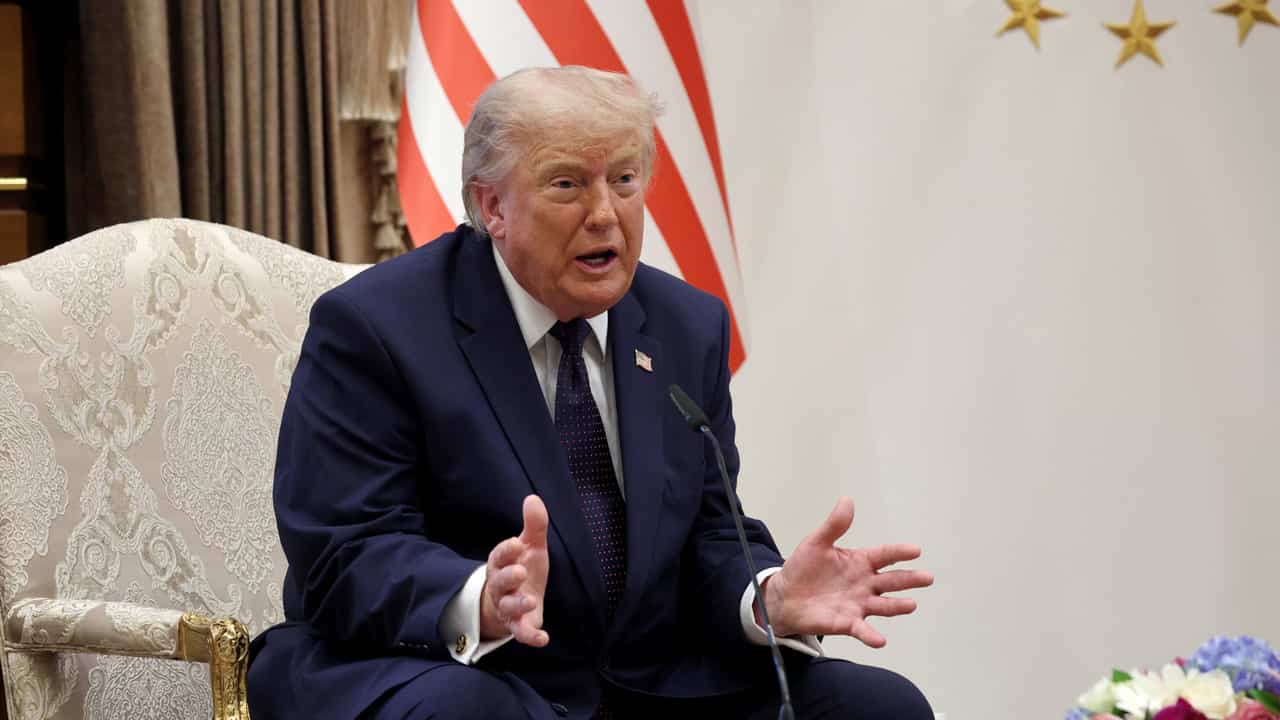
told NATO leaders the ceasefire with Iran is over
Federal Reserve Bank of New York
released survey on consumer inflation expectations
Kevin Warsh
commented on the Federal Reserve's commitment to 2% inflation
Marex
analysts providing commentary on Fed minutes and market positioning
Bitcoin Drops as Renewed Mideast Conflict Boosts Oil Prices

↳ Why This Matters

The renewed conflict in the Middle East and its impact on oil prices create a complex inflation environment, potentially influencing Federal Reserve policy and posing risks to Bitcoin and broader equity markets.

Key facts

  • Bitcoin's price declined to $62,000 following renewed conflict between the U.S. and Iran.
  • The conflict resumption led to a roughly 5% increase in oil prices.
  • Consumer expectations for inflation over the next 12 months rose to 3.7%.
  • Market-based inflation breakevens have fallen, weakening the case for Fed rate hikes.
  • Dow futures experienced a significant drop amid the geopolitical tensions.

Bitcoin experienced a price drop to $62,000 as renewed airstrikes between the U.S. and Iran disrupted a ceasefire and sent oil prices soaring. This geopolitical development introduces further complexity to the inflation outlook, with conflicting signals from market-based breakevens and consumer expectations.

While inflation breakevens, which reflect market expectations for future inflation, have declined significantly, potentially easing pressure on the Federal Reserve to raise interest rates, a survey from the Federal Reserve Bank of New York indicated that U.S. consumers now anticipate inflation to rise. Consumers expect inflation to reach 3.7% over the next 12 months, up from 3.5% in May, and 3.3% over the next three years, the highest readings since September 2023 and June 2022, respectively.

Analysts at Marex noted that the upcoming minutes from the Fed's June meeting could act as a catalyst, especially with crowded long positions and rich funding in the market. They expressed caution about the current market bounce, suggesting that a hawkish read from the minutes could trigger significant leverage flush.

The renewed hostilities in the Middle East also impacted broader markets, with Dow Jones Industrial Average futures falling sharply and oil prices surging. The U.S. and Iran exchanged airstrikes early in the day, leading to a roughly 5% increase in oil benchmarks.

Frequently asked questions

Bitcoin's price fell to $62,000 due to renewed airstrikes between the U.S. and Iran, which also caused oil prices to surge and increased market uncertainty.

Market-based inflation breakevens have fallen, suggesting lower inflation expectations, while a Federal Reserve Bank of New York survey shows U.S. consumers expect inflation to rise.

The conflict led to a roughly 5% jump in oil prices and caused Dow Jones Industrial Average futures to drop significantly.

What Happens Next

01Minutes from the Federal Reserve's June meeting are due to be released.
02Market analysts will monitor potential spillover effects to Wall Street.
03The Federal Reserve will assess conflicting inflation signals from markets and consumers.

Get the newsletter.

Pick the topics you actually care about. We'll email when there's news worth your time, on the cadence you choose. Cancel any time from your account.

Cadence

How It Developed

U.S. and Iran exchanged airstrikes, ending a ceasefire.
Oil benchmarks surged approximately 5% following the airstrikes.
Bitcoin prices fell back to $62,000.
Dow futures dropped significantly amid renewed Middle East hostilities.
Consumer inflation expectations rose to 3.7% over the next 12 months.
Market-based inflation breakevens have declined sharply.

Sources

T1
Bitcoin's inflation quagmire gets stickier as renewed MidEast conflict sends oil price soaringCoinDesk

Related Stories

Bitcoin, Ether Fall as Trump Declares Ceasefire 'Over' Amid Iran Strikes
8 Jul · 4:35 AM
Vanguard Hires Head of Digital Assets, Signaling Institutional Shift
8 Jul · 12:50 PM
Crypto Selloff: $450M Liquidations As Trump Says Iran MoU Is Over
8 Jul · 10:20 AM
Crypto firms prepare defenses as quantum threat to encryption draws nearer
8 Jul · 10:04 AM
StarkWare CEO proposes 4% Bitcoin inflation to replace 21M cap
8 Jul · 5:55 AM