Key facts
- U.S. Energy Secretary Chris Wright announced measures to boost refinery fuel output.
- The average U.S. price for regular gasoline is over $4.06 per gallon.
- Gasoline prices have increased by nearly 30% from a year ago.
- Crude oil prices are poised for a 5% weekly gain, with Brent nearing $100 per barrel.
- Tensions in the Strait of Hormuz and stalled U.S.-Iran talks are driving oil prices.
- Oil prices rose over $2 on Monday due to supply worries and Iran conflict diplomacy.
- U.S. President Donald Trump's demands and threats fueled oil price increases.
- The U.S. diesel crack spread has surpassed $100 a barrel for the first time.
- A proposed crude oil pipeline from Iraq to Syria is estimated to cost $15 billion.
- The Iraq-Syria pipeline project is expected to take at least four years to complete.
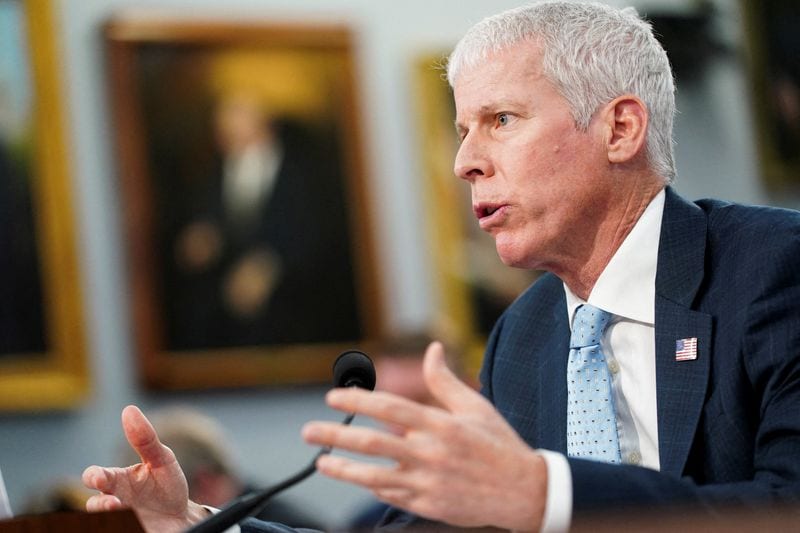
U.S. Energy Secretary Chris Wright announced that Washington will soon unveil measures aimed at increasing refinery fuel production to combat high gasoline prices. The average price for regular gasoline in the U.S. has surpassed $4.06 per gallon, marking an increase of nearly 30% compared to the previous year. This initiative by the U.S. government occurs against a backdrop of significant global oil market fluctuations.
Crude oil prices are experiencing a surge, with Brent crude nearing $100 per barrel, potentially marking a 5% weekly gain. This rise is attributed to stalled diplomatic efforts between the U.S. and Iran, as well as escalating attacks in the Strait of Hormuz. Despite a substantial increase in U.S. crude inventories, ongoing geopolitical tensions and supply concerns are the primary drivers of the market. Investor pessimism regarding diplomatic resolutions to the Iran conflict, combined with demands and threats from U.S. President Donald Trump, has further fueled oil price increases, with prices rising over $2 on Monday.
Further exacerbating supply concerns, the U.S. diesel crack spread has exceeded $100 a barrel for the first time. This unprecedented level is driven by a combination of tight supply and robust demand within the refined products market, highlighting ongoing disruptions. In a separate development related to long-term supply routes, a proposed crude oil pipeline project connecting Iraq to Syria, designed to offer an alternative to the Strait of Hormuz, is estimated to require at least four years and an investment of $15 billion to complete. Sources indicate that the necessity for new infrastructure complicates the project's timeline.