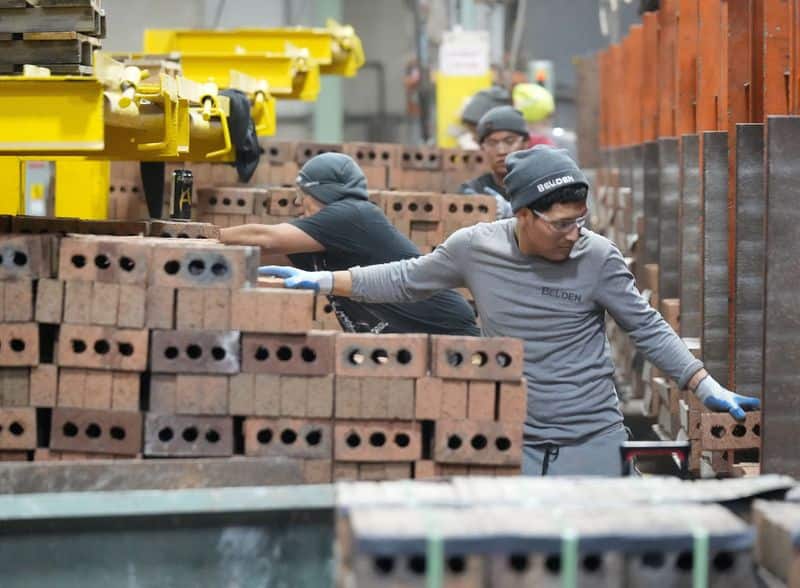
Key facts
- US manufacturers are experiencing increased electricity costs.
- Manufacturers in the Rust Belt are particularly affected.
- Rising demand from data centers serving the AI industry is driving up costs.
- Capacity charges have surged, impacting grid stability.
- The increased costs threaten the viability of factories.
- Manufacturers are calling for regulatory adjustments.
US manufacturers are facing substantial increases in their electricity bills, with factories in the Rust Belt region being particularly affected. The primary driver behind these rising costs is the escalating demand for electricity from data centers that are essential for the burgeoning AI industry. These data centers require significant and consistent power, placing a strain on existing energy infrastructure.
The surge in electricity costs is largely due to increases in capacity charges. These charges are a component of electricity bills designed to ensure that power grids have sufficient capacity to meet peak demand and maintain stability. As data centers consume more power, the need for grid stability intensifies, leading to higher capacity charges for all users, including manufacturers.
These escalating operational expenses are beginning to threaten the viability of manufacturing operations. For many factories, electricity is a major cost component, and significant increases can make production unprofitable. The situation has prompted industry representatives and manufacturers to call for regulatory adjustments to mitigate the financial impact.
Calls for regulatory intervention aim to find a balance between supporting the growth of the AI sector and protecting the interests of established industries like manufacturing. Potential solutions could involve revising how capacity charges are allocated or exploring new energy infrastructure investments to accommodate the growing demand without disproportionately burdening existing consumers.