Key facts
- The UAE continues to export liquefied natural gas despite risks in the Strait of Hormuz.
The United Arab Emirates is continuing its liquefied natural gas exports despite heightened risks in the Strait of Hormuz, with an ADNOC LNG tanker observed exiting the waterway with its tracking devices disabled. Meanwhile, a U.S.-Saudi consortium, MERA Oil, plans to construct a $5 billion refinery in the Persian Gulf, strategically located outside the Strait of Hormuz to circumvent potential disruptions. This new refinery will have a capacity of 200,000 barrels per day, signaling continued investment in regional energy infrastructure amidst geopolitical tensions.
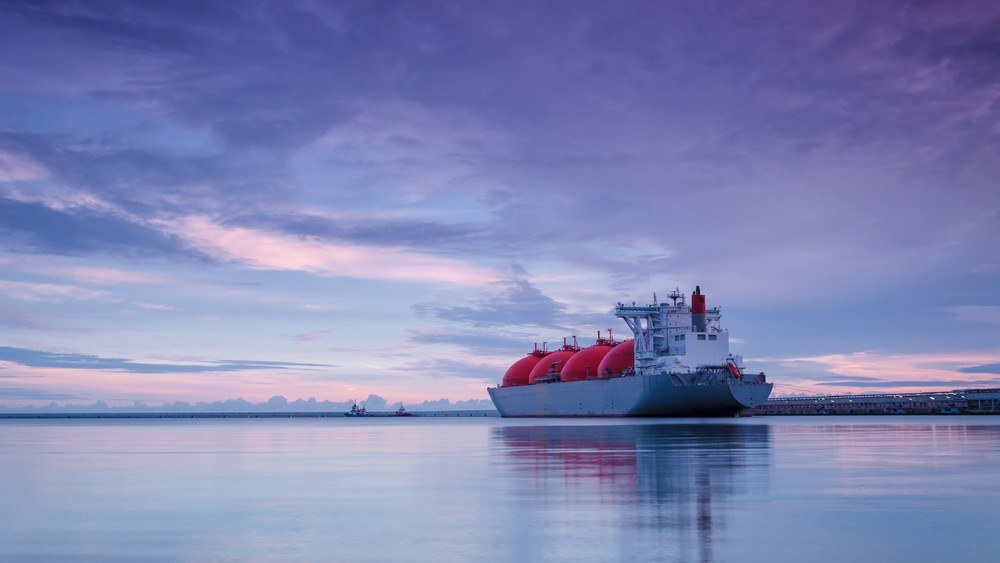
Despite ongoing threats and heightened risks in the Strait of Hormuz, the United Arab Emirates (UAE) is maintaining its liquefied natural gas (LNG) exports. An ADNOC LNG tanker was recently observed exiting the Strait of Hormuz with its location devices turned off, a move that underscores the current geopolitical climate. Concurrently, another vessel was being loaded with LNG at Das Island, indicating sustained demand for the commodity and the operational continuity of UAE's energy exports. This activity highlights the region's resilience and the critical role of its energy infrastructure.
In parallel, a significant new energy project is planned by a consortium of U.S. and Saudi companies named MERA Oil. This consortium intends to build a $5 billion refinery within the Persian Gulf. The proposed facility will boast a substantial capacity of 200,000 barrels per day. Crucially, the refinery is slated for construction in a location situated outside the Strait of Hormuz. This strategic placement aims to mitigate the risks associated with potential disruptions in the vital shipping lane, ensuring a more secure operational environment for the new facility.
The continued LNG exports from the UAE and the planned construction of a new refinery outside the Strait of Hormuz reflect a broader trend of energy sector investment and operational adjustments in response to regional geopolitical risks. The Strait of Hormuz is a critical chokepoint for global oil and gas shipments, and any disruption there can have significant worldwide economic repercussions. The strategic decision to build the refinery outside this chokepoint demonstrates a proactive approach to safeguarding energy supply chains.
Despite ongoing threats and heightened risks in the Strait of Hormuz, the United Arab Emirates (UAE) is maintaining its liquefied natural gas (LNG) exports. An ADNOC LNG tanker was recently observed exiting the Strait of Hormuz with its location devices turned off, a move that underscores the current geopolitical climate. Concurrently, another vessel was being loaded with LNG at Das Island, indicating sustained demand for the commodity and the operational continuity of UAE's energy exports. This activity highlights the region's resilience and the critical role of its energy infrastructure.