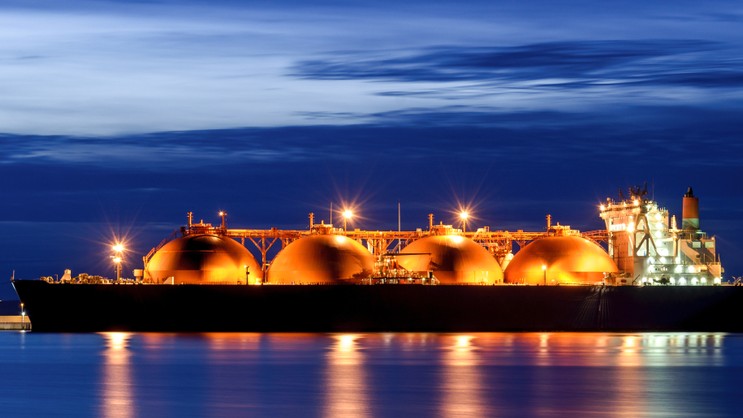
Pakistan Buys Second Spot LNG Cargo Amid Supply Crunch
window 24h
IN SHORT
Pakistan has secured a second spot LNG cargo from TotalEnergies at $17.37 per million British thermal units, highlighting ongoing supply constraints and a persistent need for LNG despite elevated costs. Meanwhile, Germany's dependence on U.S. LNG has increased, with imports making up 12% of its gas supply in early 2026, a rise from 10% the previous year. Although global LNG volumes saw a slight increase and Germany's supply remains stable, industrial demand has decreased due to price volatility.
✉Newsletter
PiQ Daily
Pick your topics. Get only what matters, on your cadence.
Key Numbers
$17.37price per million British thermal units for Pakistan's LNG cargo
12%Germany's gas supply from U.S. LNG in early 2026
10%Germany's gas supply from U.S. LNG a year prior to early 2026
Who's Involved
Pakistan
nation purchasing a second spot LNG cargo
TotalEnergies
supplier of Pakistan's second spot LNG cargo
Germany
nation increasing reliance on U.S. LNG imports
U.S.
supplier of LNG to Germany
1 / 2
Key facts
Pakistan purchased a second spot LNG cargo from TotalEnergies.
The price for Pakistan's second LNG cargo was $17.37 per million British thermal units.
Germany's imports from the U.S. accounted for 12% of its gas supply in early 2026.
Germany's U.S. LNG imports accounted for 10% of its gas supply a year prior to early 2026.
Global LNG volumes slightly increased.
Germany's gas supply remains stable.
Industrial demand in Germany has fallen due to volatile prices.
Middle East supply chains have experienced disruptions.
Pakistan has purchased a second spot liquefied natural gas (LNG) cargo from TotalEnergies, agreeing to a price of $17.37 per million British thermal units. This acquisition underscores the persistent tightness in LNG supply and Pakistan's continued reliance on the commodity, even with high prices.
In parallel, Germany's reliance on U.S. LNG has seen a notable increase. Imports from the U.S. constituted 12% of Germany's total gas supply in early 2026, an increase from 10% recorded a year earlier. This shift occurs amidst disruptions in Middle East supply chains. Despite these challenges, global LNG volumes have experienced a slight increase, and Germany's overall gas supply has remained stable. However, industrial demand within Germany has fallen, attributed to volatile pricing.
The situation reflects broader global energy market dynamics, where countries are navigating supply disruptions and price fluctuations by diversifying import sources and adjusting industrial consumption.
↳ Why This Matters
Pakistan has purchased a second spot liquefied natural gas (LNG) cargo from TotalEnergies, agreeing to a price of $17.37 per million British thermal units. This acquisition underscores the persistent tightness in LNG supply and Pakistan's continued reliance on the commodity, even with high prices.
Frequently asked questions
Pakistan is buying spot LNG cargoes due to reduced flows from its primary supplier, Qatar, which has been impacted by the conflict in the Middle East. This forces the country to seek alternative, often more expensive, sources to meet its energy needs.
Pakistan paid $17.37 per million British thermal units for the latest spot LNG cargo purchased from TotalEnergies.
It indicates that the global LNG supply situation remains tight, and Pakistan is willing to pay a premium for immediate deliveries to address its energy crisis.
What Happens Next
01Further monitoring of global LNG supply recovery and pricing trends.
02Assessment of Pakistan's ability to secure future LNG supplies at affordable prices.
Get the newsletter.
Pick the topics you actually care about. We'll email when there's news worth your time, on the cadence you choose. Cancel any time from your account.