Key facts
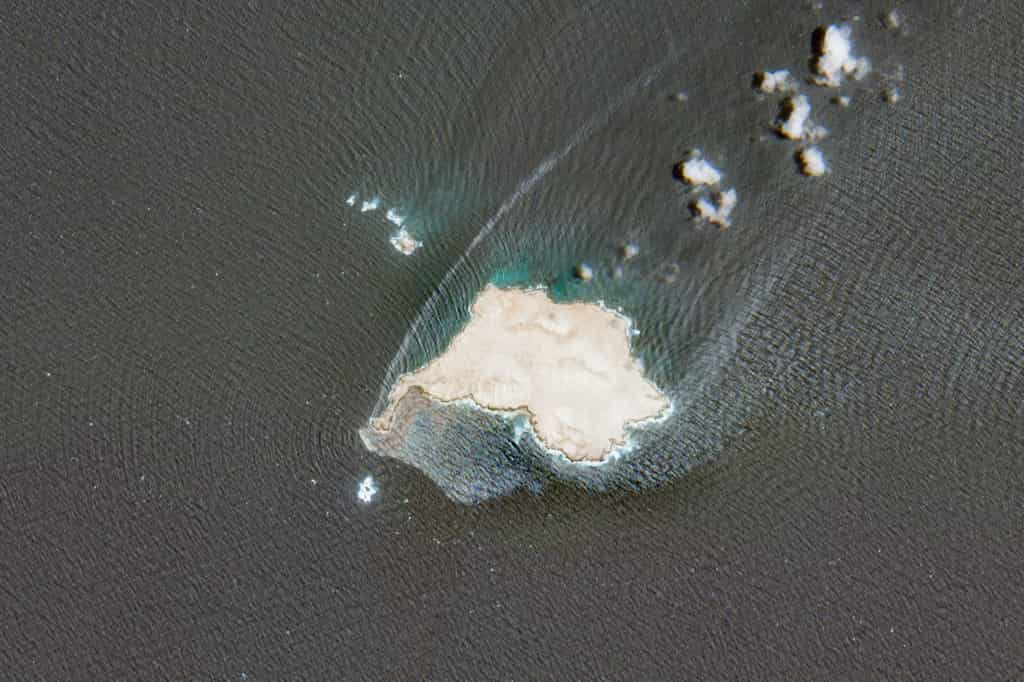
- A tanker believed to be part of Russia's shadow fleet is leaking oil near an Omani nature reserve.
- NGOs warn of severe and long-lasting environmental consequences from the Omani oil leak.
- Houthi rebels claimed responsibility for a missile attack on the Saudi oil tanker NCC Wafaa.
- The Houthi attack occurred off the coast of Yanbu.
- The Houthi attack is seen as a significant northern escalation of their blockade.
- The Houthi attack threatens key Saudi oil export routes, including the Suez Canal.
- Russia's Rosatom has issued permits for seven Chinese vessels to use the Northern Sea Route.
- The Chinese vessels are traveling to Europe via the Northern Sea Route.
- Sea Legend Shipping plans the first regular container service via the Northern Sea Route.
- Sea Legend Shipping aims for weekly journeys on the Northern Sea Route by 2026.
Oman is facing a potential environmental disaster as a tanker, suspected to be part of Russia's shadow fleet, leaks oil near a protected nature reserve. Non-governmental organizations have issued warnings about the severe and long-lasting environmental consequences of this incident. The exact nature of the tanker and the extent of the leak are still being assessed, but the proximity to a sensitive ecosystem raises significant concerns.
In a separate development, Houthi rebels have claimed responsibility for a missile attack targeting the Saudi oil tanker NCC Wafaa off the coast of Yanbu. This attack represents a significant escalation and a northern expansion of the Houthi blockade. The incident poses a direct threat to crucial Saudi oil export routes, including those that feed into the vital Suez Canal, potentially disrupting global energy supplies.
Meanwhile, Russia's state nuclear corporation, Rosatom, has granted permits to seven Chinese transit vessels. These permits allow the vessels to travel to Europe via the Northern Sea Route. This move by Sea Legend Shipping marks the initiation of what is planned to be the first regular container service along this Arctic route, with aspirations for weekly journeys by 2026. The Northern Sea Route offers a potentially faster transit time between Asia and Europe compared to traditional routes.
The environmental threat off the coast of Oman, the security concerns surrounding oil tankers in the Red Sea, and the emerging Arctic shipping routes highlight the complex and interconnected challenges facing global trade and environmental stability. Each incident carries significant geopolitical and economic implications, from potential ecological damage to disruptions in energy markets and the redefinition of major shipping lanes.