Key facts
- Crude oil prices are poised for a 5% weekly gain.
- Brent crude is nearing $100 per barrel.
- US national average gas prices reached a record August high of $4.06 per gallon.
- Stalled US-Iran talks are a key driver of rising oil and gas prices.
- Escalating attacks in the Strait of Hormuz are contributing to supply concerns.
- Threats against Oman have been reported.
- US crude inventories have seen a large build.
- Eight major oil companies reported combined profits exceeding $90 billion in the second quarter.
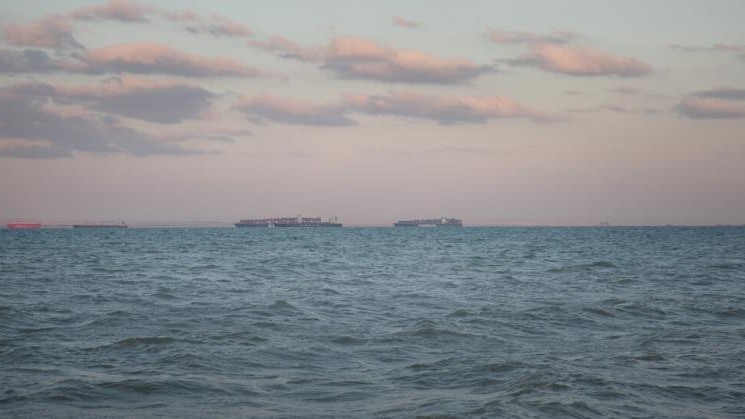
- The closure of the Strait of Hormuz is linked to soaring oil prices.
- Calls for windfall taxes on oil companies have been sparked.
Crude oil prices are experiencing a significant surge, with Brent crude nearing $100 per barrel and poised for a 5% weekly gain. This upward trend is primarily attributed to stalled negotiations between the US and Iran, coupled with escalating attacks within the Strait of Hormuz. Despite a notable increase in US crude inventories, persistent geopolitical tensions and concerns over supply disruptions are driving the market.
In parallel, US national average gas prices have reached a record high for August, standing at $4.06 per gallon. The elevated energy prices are a direct consequence of the stalled peace talks with Iran and reported threats against Oman. The ongoing conflict and the blocked Strait of Hormuz continue to exert upward pressure on energy costs globally.
This period of soaring oil prices has coincided with substantial financial gains for major energy corporations. Eight prominent oil companies have reported combined profits exceeding $90 billion in the second quarter. These profits are directly linked to the elevated oil prices resulting from the closure and ongoing threats to the Strait of Hormuz.
The current energy market dynamics underscore the world's continued reliance on fossil fuels. The substantial profits reported by oil majors have intensified calls for the implementation of windfall taxes on these companies. The situation highlights a complex interplay between geopolitical instability, energy supply, and corporate earnings.