Jellyfish Swarms Knock Out 3.2 Gigawatts of French Nuclear Power | PiQ Markets
2 storiesCommodities & EnergyCrude oil prices: WTI & BrentOPEC+ production decisions & quotasEIA & API weekly oil inventory reports
Jellyfish Swarms Knock Out 3.2 Gigawatts of French Nuclear Power
window 24h
IN SHORT
France's nuclear power generation faces significant disruptions, with jellyfish swarms forcing the shutdown of three reactors at the Gravelines plant, reducing capacity by 67%. Concurrently, a heatwave is impacting nuclear output due to low river water levels, prompting EDF to cut generation by 7.3 GW. These combined issues have led to a 21.8% surge in France's day-ahead power prices, reaching $164.39 per megawatt hour.
✉Newsletter
PiQ Daily
Pick your topics. Get only what matters, on your cadence.
Key Numbers
3.2gigawatts of French nuclear power knocked out by jellyfish
3reactors shut down at Gravelines nuclear power plant
67%capacity reduction at Gravelines nuclear power plant
3.63 GWcapacity reduction at Gravelines nuclear power plant
7.3 GWplanned nuclear output cut by EDF due to heatwave
21.8%surge in France's day-ahead power prices
$164.39France's day-ahead power price per megawatt hour
Who's Involved
Gravelines
French nuclear power plant experiencing jellyfish-related shutdowns
EDF
French energy company cutting nuclear output due to heatwave
1 / 2
Key facts
Three reactors at France's Gravelines nuclear power plant were shut down.
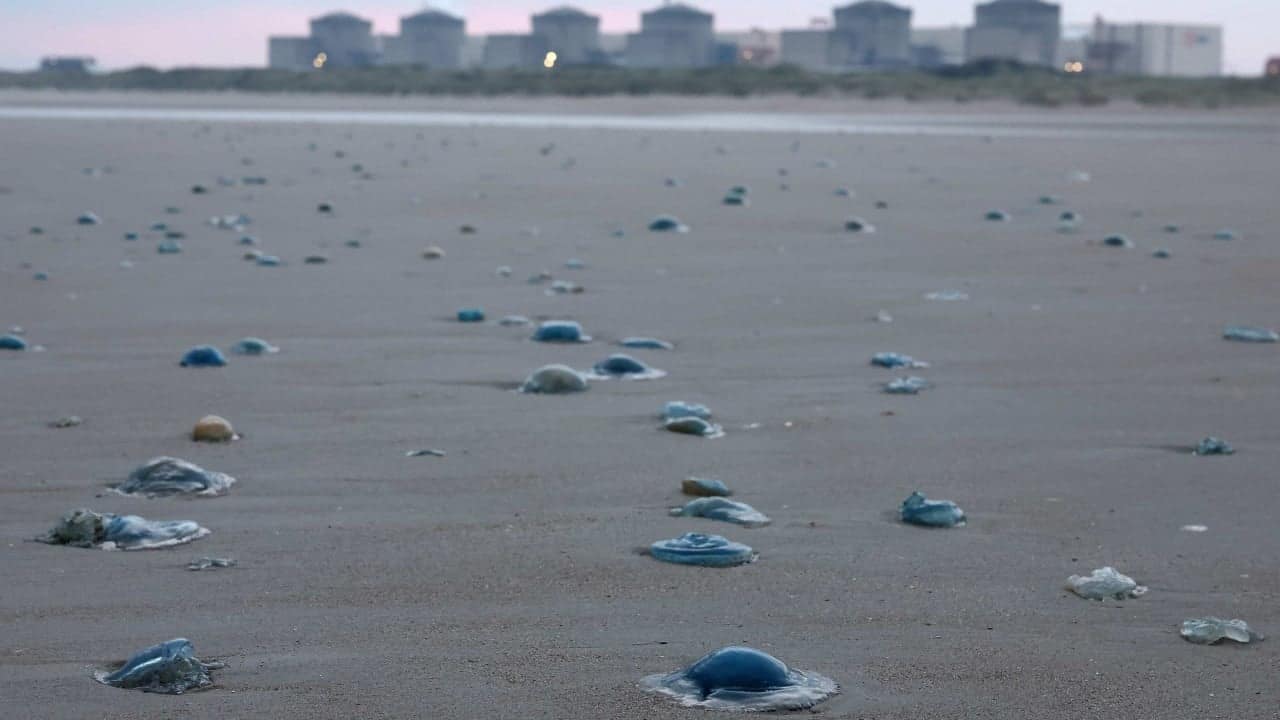
Jellyfish blocked cooling water systems at the Gravelines plant.
The Gravelines shutdown reduced its capacity by 67%.
The Gravelines incident reduced capacity by 3.63 gigawatts.
This is the second consecutive year for such a shutdown at Gravelines.
A heatwave is curbing nuclear generation in France.
Low river water levels are affecting cooling for nuclear reactors.
EDF will cut nuclear output by 7.3 GW on Wednesday.
France's day-ahead power prices surged 21.8%.
Day-ahead power prices reached $164.39 per megawatt hour.
France's nuclear power sector is experiencing a dual crisis, with jellyfish swarms impacting the Gravelines nuclear power plant and a heatwave affecting cooling water availability for other reactors. At Gravelines, three reactors have been shut down due to a massive influx of jellyfish blocking the cooling water systems. This incident has reduced the plant's capacity by 67%, or 3.63 gigawatts, marking the second consecutive year such a shutdown has occurred at this facility.
In parallel, a heatwave is contributing to reduced nuclear generation across France. Low river water levels, a consequence of the high temperatures, are limiting the ability of reactors to draw sufficient cooling water. As a result, EDF announced it will cut nuclear output by 7.3 gigawatts on Wednesday. These combined reductions in nuclear power availability have had a direct impact on energy prices.
France's day-ahead power prices have surged by 21.8%, reaching $164.39 per megawatt hour. This price increase reflects the diminished supply of electricity from the nation's primary power source, nuclear energy, exacerbated by both the jellyfish incident and the heatwave's effect on cooling. The situation highlights the vulnerability of France's nuclear infrastructure to environmental factors.
↳ Why This Matters
France's nuclear power sector is experiencing a dual crisis, with jellyfish swarms impacting the Gravelines nuclear power plant and a heatwave affecting cooling water availability for other reactors. At Gravelines, three reactors have been shut down due to a massive influx of jellyfish blocking the cooling water systems. This incident has reduced the plant's capacity by 67%, or 3.63 gigawatts, marking the second consecutive year such a shutdown has occurred at this facility.
Frequently asked questions
Three reactors at the Gravelines nuclear plant were shut down because a large influx of jellyfish blocked the cooling water pumping systems.
Total reductions reached 3.63GW, or 67% of the reactor's entire capacity.
No, this is the second consecutive year the plant has experienced a jellyfish-related shutdown on August 11.
The recorded global average sea surface temperature last month was the highest for any July on record, data from EU earth-monitoring programme Copernicus shows.
What Happens Next
01Units 1 and 2 curtailments are scheduled to last until Wednesday at 23:00.
02Units 3 and 4 are set to return to the grid on August 16 and 19, respectively.
03Unit 6 capacity reduction is scheduled until 10:00 on Wednesday.
Get the newsletter.
Pick the topics you actually care about. We'll email when there's news worth your time, on the cadence you choose. Cancel any time from your account.