Key facts
- ONGC Videsh is set to sign new agreements for two Venezuelan oil projects.
- ONGC Videsh will gain operational control of the Venezuelan oil projects.
- Venezuela's new petroleum law offers incentives to foreign investors.
- Indian refiners are seeking West African and Omani crude.
- Disruptions are occurring in the Strait of Hormuz and Bab el-Mandeb.
- MRPL, IOC, and HPCL have secured crude from Angola, Congo, and Nigeria.
- India is considering new levies on LPG and natural gas consumption.
- The proposed levies are to fund a $42 billion strategic fuel reserve program.
- The proposed taxes could raise approximately $1.5 billion annually.
- Funds will be used for storage infrastructure for LNG, LPG, and crude oil.
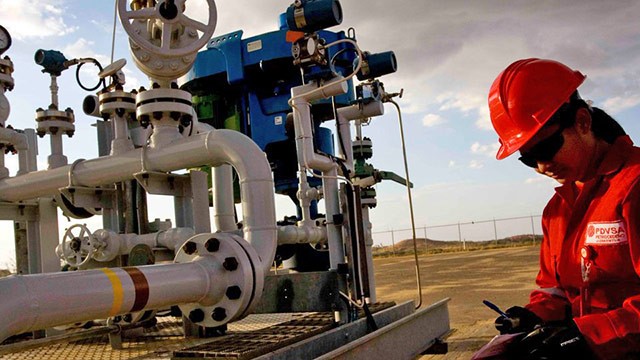
India's state-owned ONGC Videsh is on the verge of signing new agreements that would grant it operational control over two Venezuelan oil projects. This development comes after years of limitations imposed by international sanctions. The new petroleum law enacted by Venezuela offers incentives aimed at attracting foreign investors, paving the way for ONGC Videsh's expanded role. This move signifies a potential shift in Venezuela's oil sector engagement with international partners.
In parallel, Indian refiners are actively seeking alternative crude oil supplies due to shipping disruptions in critical maritime routes. The Strait of Hormuz and the Bab el-Mandeb strait have experienced constraints affecting the flow of Middle Eastern crude. Consequently, companies such as Mangalore Refinery and Petrochemicals Limited (MRPL), Indian Oil Corporation (IOC), and Hindustan Petroleum Corporation Limited (HPCL) have secured substantial volumes of crude from West African nations like Angola, Congo, and Nigeria, as well as from Oman. This strategic pivot aims to ensure a stable supply of essential fuel for India's refining capacity.
Domestically, the Indian government is considering the implementation of new levies on Liquefied Petroleum Gas (LPG) and natural gas consumption. These potential taxes are part of a broader strategy to finance a significant $42 billion strategic fuel reserve program. The proposed levies are estimated to generate approximately $1.5 billion annually. The funds raised are intended for the development of essential storage infrastructure, which will accommodate Liquefied Natural Gas (LNG), LPG, and additional crude oil reserves, bolstering India's energy security.