Key facts
- The IEA forecasts a 1.56 million barrels per day oil demand fall in 2026.
- Disruptions via the Strait of Hormuz and high fuel prices are cited for the demand forecast revision.
- Tanker data suggests vessels are switching cargoes outside the Strait of Hormuz.
- U.S. Energy Secretary Chris Wright's reported transit figures are questioned.
- Brent crude oil neared $90 a barrel due to Middle East supply concerns.
- Diesel prices remain elevated due to geopolitical tensions and supply disruptions.
- The UAE's ADNOC has issued its eighth spot tender since June.
- OPEC's total oil production increased by 1.17 million barrels per day in July.
- OPEC output remains below quota targets.
- Global economic losses from extreme weather in 1H were $100 billion.
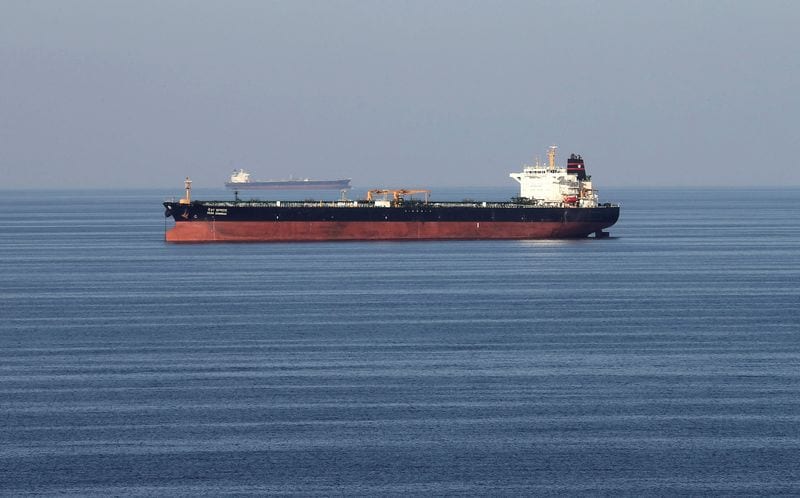
The International Energy Agency (IEA) has revised its global oil demand forecast downwards for 2026, now anticipating a larger contraction of 1.56 million barrels per day. This revision is attributed to persistent disruptions via the Strait of Hormuz and elevated fuel prices. Concurrently, tanker data indicates that oil flows from the Middle East have not normalized, contradicting claims made by U.S. Energy Secretary Chris Wright regarding transit figures. Vessels are reportedly switching cargoes outside the Strait of Hormuz, even with an increased U.S. naval presence in the region.
Oil prices have climbed, with Brent crude nearing $90 a barrel, driven by intensified concerns over Middle East supply disruptions stemming from doubts about a U.S.-Iran deal and ongoing attacks on shipping. Global shares have declined in response to these geopolitical tensions. The IEA's data also reveals a two-speed recovery in global fuel prices; diesel prices remain elevated due to geopolitical tensions and supply disruptions, while gasoline prices have stabilized. The conflict involving Iran and Russia is cited as a factor impacting automotive fuel costs.
In related developments, the UAE's Abu Dhabi National Oil Company (ADNOC) has issued its eighth spot tender since June, signaling an effort to sell increased crude volumes. This move follows the UAE's departure from OPEC and its attempts to navigate evolving export routes. Meanwhile, OPEC's total oil production increased by 1.17 million barrels per day in July, marking the second consecutive monthly rise. However, this output still falls short of established quota targets, with ongoing security concerns in the Middle East impacting supply.
Experts warn of dangerously low reserves and potential price spikes if the Strait of Hormuz remains closed, a scenario that could be prolonged if prospects for a U.S.-Iran deal continue to diminish. Separately, global economic losses from extreme weather events in the first half of the year were 10% lower than the 10-year average, totaling $100 billion, down 34% on the year. Insured losses stood at $42 billion, though Swiss Re notes this masks rising natural catastrophe risk.