Key facts
- The IEA and OPEC have revised their 2026 global oil demand forecasts downward.
- Disruptions in the Strait of Hormuz and high prices are cited as reasons for the demand forecast reduction.
- Brent crude oil neared $90 a barrel due to Middle East supply concerns.
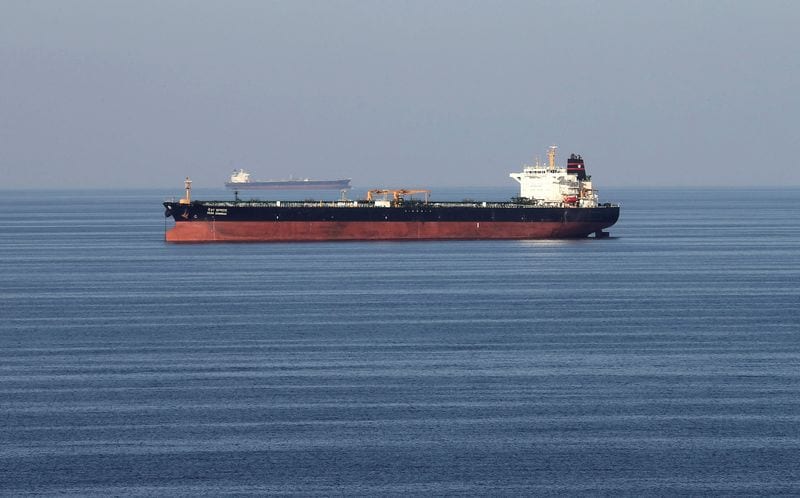
- Vessel traffic through the Strait of Hormuz has fallen to a weekly low.
- Diesel prices have increased by 14% since February, while gasoline prices remain flat.
- The UAE's ADNOC has issued its eighth spot tender since June, increasing crude export volumes.
- Global economic losses from extreme weather in 1H were $100 billion, down 34% year-on-year.
- Insured losses from extreme weather in 1H were $42 billion.
- OPEC's total oil production increased by 1.17 million barrels per day in July.
- OPEC output remains below quota targets due to Middle East security concerns.
The International Energy Agency (IEA) and OPEC have both issued downward revisions for their 2026 global oil demand forecasts. The IEA specifically anticipates a greater decline, attributing it to disruptions in the Strait of Hormuz and elevated oil prices. OPEC has also lowered its growth forecast, marking its fourth consecutive reduction. These revisions coincide with a rise in oil prices, with Brent crude nearing $90 a barrel, fueled by intensifying concerns over Middle East supply disruptions. Doubts surrounding a potential U.S.-Iran deal and ongoing attacks on shipping contribute to this price surge.
Geopolitical tensions, particularly involving Iran, and disruptions in the Strait of Hormuz, coupled with strikes on Russian refineries, are significantly impacting global fuel markets. Vessel traffic through the Strait of Hormuz has fallen to a weekly low as ship owners avoid the chokepoint due to heightened security risks and conflicting claims from the U.S. and Iran regarding its navigability. This situation has led to a two-speed recovery in global fuel prices: diesel prices have increased by 14% since February, while gasoline prices have remained stagnant. Experts warn of dangerously low reserves and the potential for significant price spikes if the Strait of Hormuz remains closed.
In a separate development, the UAE's Abu Dhabi National Oil Company (ADNOC) has issued its eighth spot tender since June, signaling an increase in crude export volumes. This move follows the UAE's departure from OPEC and its efforts to manage its export routes. Meanwhile, global economic losses from extreme weather events in the first half of the year were 10% lower than the 10-year average. Swiss Re reported that economic losses stood at $100 billion, a 34% decrease year-on-year, with insured losses at $42 billion. Despite this decrease, Swiss Re highlights a trend of rising natural catastrophe risk. OPEC's total oil production saw an increase of 1.17 million barrels per day in July, the second consecutive monthly rise, yet output remains below established quota targets due to ongoing security concerns in the Middle East affecting supply.