Key facts
- Global electric vehicle prices averaged lower than hybrid vehicles last year.
- Decreasing battery costs contributed to the drop in EV prices.
- Expansion of affordable Chinese cars into emerging markets is a key driver.
- BYD is a leading automaker in this trend.
- New BYD models are priced as low as $14,100.
- China's electricity market is transitioning to real-time pricing.
- The shift to real-time pricing is expected to increase market volatility.
- The new pricing aims to better reflect supply and demand dynamics.
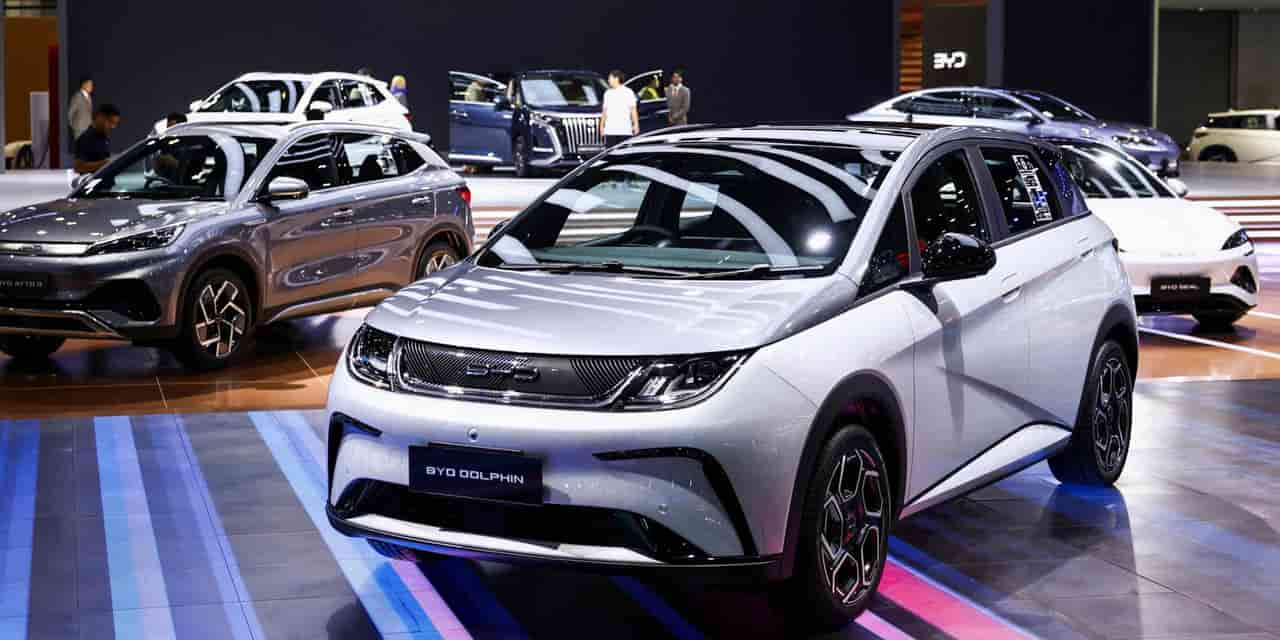
Global electric vehicle (EV) prices have fallen below the average price of hybrid vehicles, a trend primarily attributed to declining battery costs and the expanding reach of affordable Chinese EV manufacturers into international markets. BYD, a prominent Chinese automaker, is a key player in this development, having introduced new EV models with prices starting as low as $14,100. This price competitiveness is reshaping the automotive landscape, making EVs more accessible globally.
In parallel, China's electricity market is implementing a significant reform by transitioning to a real-time pricing system. This strategic shift is designed to more accurately mirror the fluctuating dynamics of electricity supply and demand within the country's power sector. Consequently, the market is expected to experience increased volatility as prices adjust more rapidly to real-time conditions. This move is part of a broader effort to optimize energy distribution and consumption.
The convergence of these trends highlights China's growing influence in both the global automotive sector, through its affordable EV offerings, and its domestic energy market, through innovative pricing mechanisms. The decreasing cost of EVs, bolstered by advancements in battery technology and manufacturing scale, is making them a more viable alternative to traditional and hybrid vehicles worldwide. Simultaneously, the move towards real-time electricity pricing in China signals a maturation of its energy market, aiming for greater efficiency and responsiveness.