Key facts
- China is increasing its domestic cattle herds.
- Climate change is enabling more grassland and corn production in China.
- Tariffs are impacting China's beef imports.
- China aims to enhance self-reliance in its beef supply.
- China's agricultural drone sector is expanding into emerging markets.
- Advancements in automation are driving the agricultural drone sector.
- There is a growing demand for efficient farming solutions globally.
- The agricultural drone sector highlights the global adoption of technology in agriculture.
China is significantly expanding its domestic cattle herds, a strategic shift driven by a confluence of factors including climate change and import tariffs. The changing climate is reportedly creating more favorable conditions for grassland and corn production, which are essential for cattle feed. Simultaneously, tariffs imposed on beef imports are making domestic production more economically viable and are contributing to China's goal of enhancing self-reliance in its beef supply chain. This initiative aims to secure a more stable and independent source of beef for the nation.
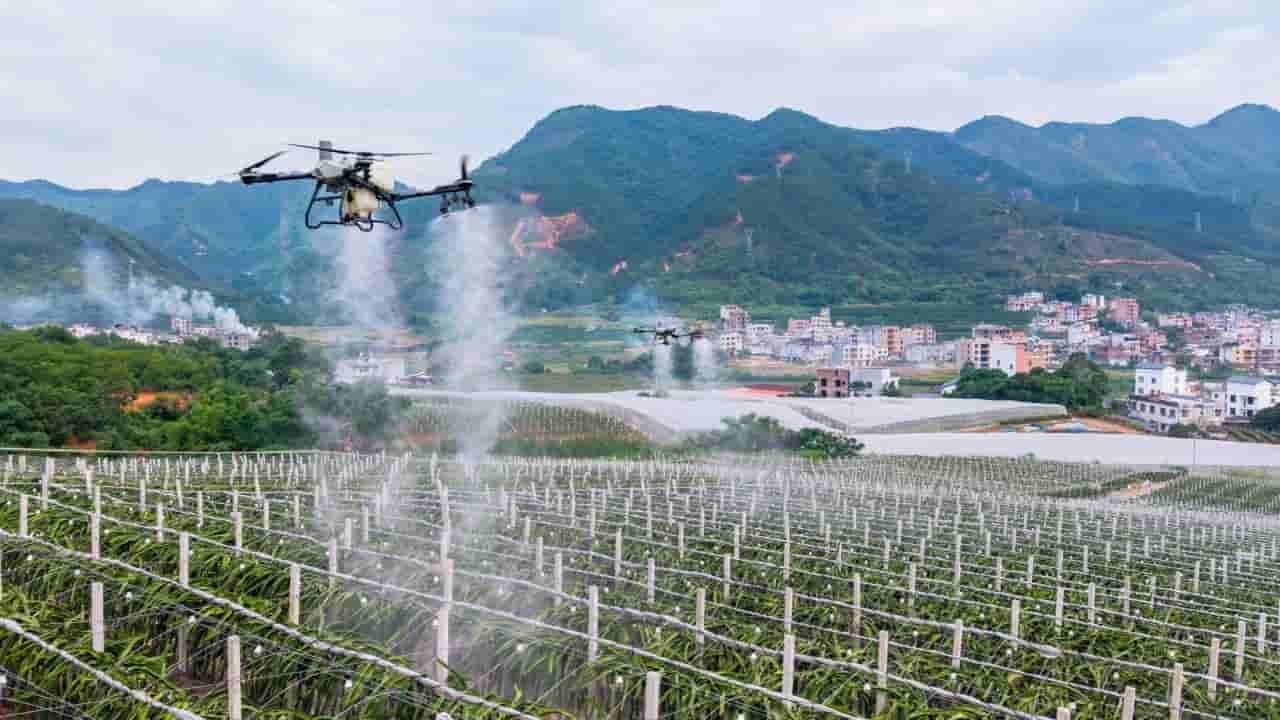
In parallel, China's agricultural drone sector is witnessing a substantial boom, with a particular focus on expanding into emerging markets. This growth is fueled by rapid advancements in automation technology within agriculture and a rising global demand for more efficient and sustainable farming solutions. The deployment of drones in farming addresses needs for precision agriculture, crop monitoring, and pesticide application, offering a technological leap for agricultural practices in various regions.
The expansion of China's cattle herds and its agricultural drone industry represent two distinct but related trends in the nation's agricultural modernization. While the cattle herd expansion focuses on food security and supply chain resilience, the drone sector highlights technological innovation and global market penetration. Both underscore a broader global movement towards leveraging technology and adapting to environmental and economic conditions to optimize food production and distribution systems.