Key facts
- China Mineral Resources Group (CMRG) directed steel mills to halt talks with Rio Tinto.
- The negotiations were for September iron ore shipments.
- CMRG aims to consolidate purchasing power for domestic steelmakers.
- The Democratic Republic of Congo banned exports of copper and cobalt concentrates.
- The ban aims to boost domestic processing.
- The ban seeks to increase revenue from mineral resources.
China's state-owned China Mineral Resources Group (CMRG) has issued instructions to some steel mills, directing them to cease ongoing negotiations with mining giant Rio Tinto. The halt specifically concerns iron ore shipments scheduled for September. The primary objective behind this directive is to consolidate the purchasing power of Chinese steelmakers. By centralizing negotiations, CMRG aims to secure more favorable terms and prices for the domestic steel industry.
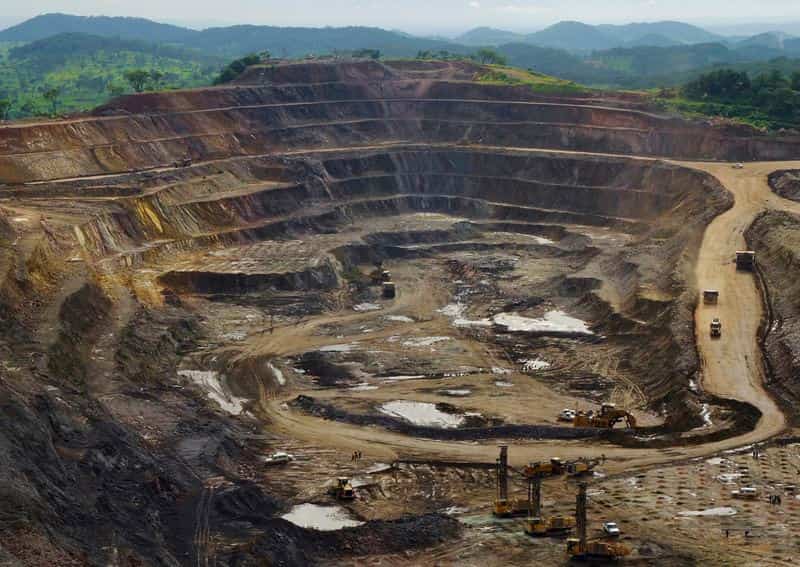
In a separate but related development impacting global mineral supply chains, the Democratic Republic of Congo has implemented a ban on the export of copper and cobalt concentrates. This government order is designed to encourage and enhance domestic processing of these valuable minerals. The ultimate goal is to maximize the revenue generated from the country's substantial reserves of copper and cobalt, thereby fostering greater economic benefit within Congo.
These actions by both China and the Democratic Republic of Congo signal a trend towards greater state control and domestic value addition in the global commodities market. China's CMRG seeks to leverage its market size to negotiate better prices, while Congo aims to move up the value chain by processing its raw materials before export. Both strategies underscore a desire to capture more economic rent from critical natural resources.